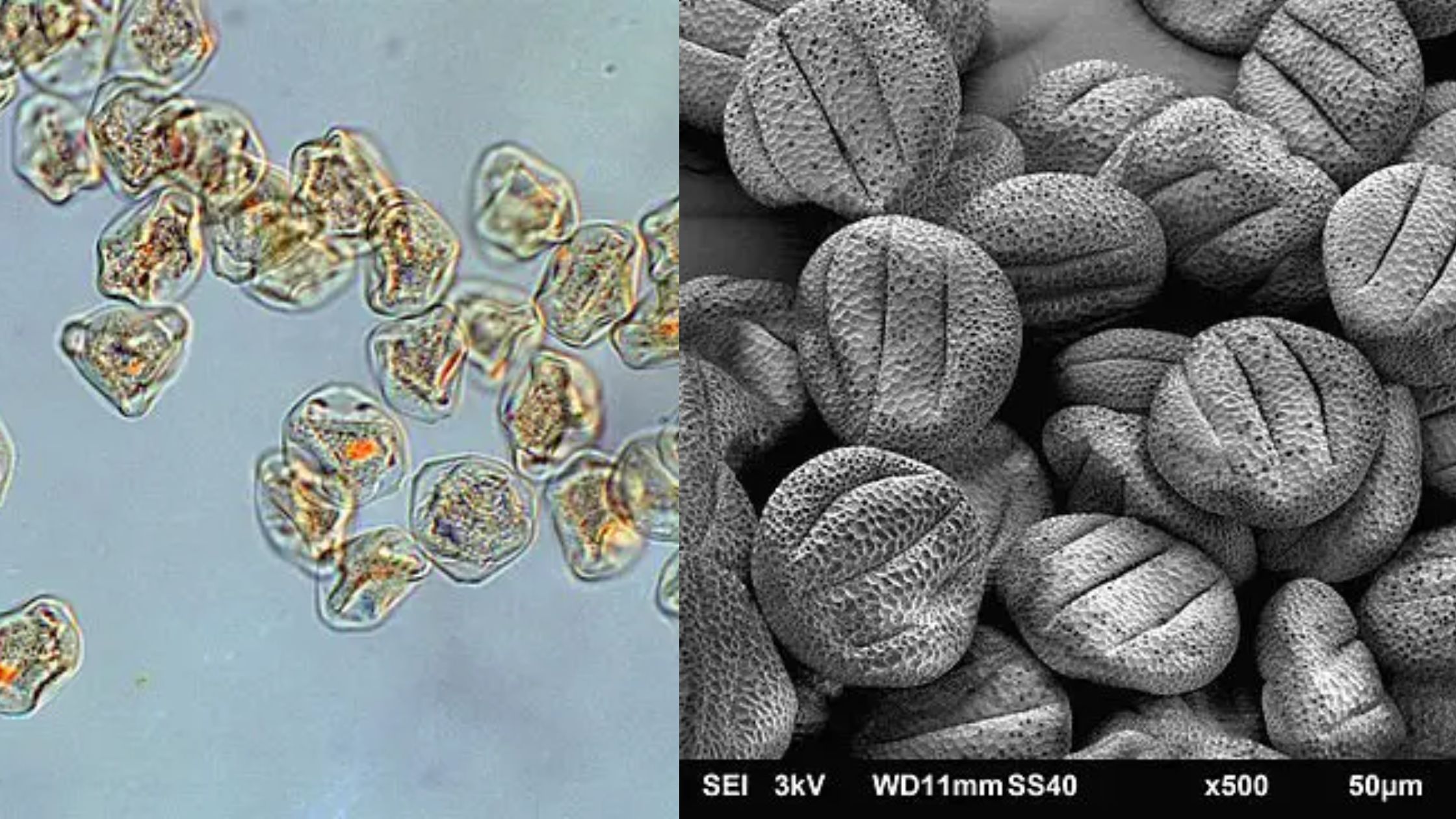

Exploring the microscopic world of pollen grains can be a fascinating journey into the intricate details of nature's design. Pollen under microscope reveals a universe of shapes, textures, and structures that are essential for plant reproduction. This blog post delves into the fascinating world of pollen grains, their significance, and how to observe them under a microscope.
Understanding Pollen Grains
Pollen grains are tiny, powdery particles produced by the male reproductive organs of seed plants. They play a crucial role in the process of pollination, which is the transfer of pollen from the anther (male part) to the stigma (female part) of a flower. This transfer can occur through various means, including wind, insects, and other animals.
Pollen grains come in a variety of shapes and sizes, depending on the plant species. Some are spherical, while others are elongated or irregular. The surface of pollen grains often features intricate patterns and structures, such as spines, ridges, and pores. These unique characteristics help in the identification of different plant species and are essential for understanding plant taxonomy.
The Structure of Pollen Grains
Pollen grains have a complex structure that includes several key components:
- Exine: The outer layer of the pollen grain, which is highly resistant to decay and often features intricate patterns.
- Intine: The inner layer, which is thinner and more flexible than the exine.
- Germinal Apertures: Specialized areas on the pollen grain surface that allow the pollen tube to emerge during germination.
- Cytoplasm: The inner contents of the pollen grain, which include the nucleus and other cellular components.
These components work together to ensure the successful germination and fertilization of the pollen grain, ultimately leading to the production of seeds.
Observing Pollen Under Microscope
Observing pollen grains under a microscope is a rewarding experience that can provide insights into the diversity and complexity of plant life. Here are the steps to prepare and observe pollen grains:
Materials Needed
- Compound microscope
- Slides and coverslips
- Pollen samples (from flowers, trees, or other plants)
- Distilled water or a mounting medium
- Tweezers or a small brush
Preparation Steps
1. Collect Pollen Samples: Gather pollen from various sources such as flowers, trees, or other plants. You can collect pollen directly from the anthers of flowers or from the air using a sticky surface.
2. Prepare the Slide: Place a small amount of distilled water or mounting medium on a clean microscope slide. Use tweezers or a small brush to transfer a few pollen grains onto the slide.
3. Add a Coverslip: Gently place a coverslip over the pollen grains, ensuring that there are no air bubbles. The coverslip should be large enough to cover the sample but small enough to fit under the microscope's stage.
4. Observe Under the Microscope: Place the prepared slide on the microscope stage and secure it with the stage clips. Start with the lowest magnification (4x or 10x) to locate the pollen grains. Gradually increase the magnification to observe the detailed structures of the pollen grains.
🔍 Note: Be careful not to apply too much pressure when placing the coverslip, as this can damage the pollen grains.
Identifying Pollen Grains
Identifying pollen grains under a microscope involves recognizing their unique shapes, sizes, and surface patterns. Here are some common types of pollen grains and their characteristics:
| Pollen Type | Characteristics | Example Plants |
|---|---|---|
| Spherical | Round shape with smooth or patterned surface | Sunflowers, daisies |
| Elongated | Oval or elongated shape with ridges or spines | Grasses, wheat |
| Irregular | Complex shapes with various patterns and structures | Pines, conifers |
By examining these characteristics, you can identify the plant species from which the pollen grains originated. This process is essential for botanists and palynologists who study pollen and spores.
Applications of Pollen Analysis
Pollen analysis, or palynology, has numerous applications in various fields. Some of the key areas where pollen analysis is used include:
- Botany and Plant Taxonomy: Identifying and classifying plant species based on their pollen characteristics.
- Paleontology: Studying fossil pollen to understand past climates and plant communities.
- Forensics: Analyzing pollen grains found on suspects or at crime scenes to establish connections and evidence.
- Allergy Research: Identifying pollen types that cause allergic reactions and developing treatments.
Pollen analysis provides valuable insights into the natural world and has practical applications in various scientific and forensic fields.
Pollen Under Microscope: A Visual Journey
Observing pollen grains under a microscope is a visual journey that reveals the beauty and complexity of nature's design. The intricate patterns and structures of pollen grains are not only fascinating to observe but also provide valuable information about plant species and their environments.
By following the steps outlined in this post, you can prepare and observe pollen grains under a microscope, gaining a deeper understanding of their role in plant reproduction and the natural world. Whether you are a student, a researcher, or a nature enthusiast, exploring pollen under microscope is an enriching experience that offers endless opportunities for discovery and learning.
Pollen grains are more than just tiny particles; they are the building blocks of plant life and the key to understanding the intricate web of nature. By observing pollen under microscope, you can unlock the secrets of plant reproduction and appreciate the beauty of the microscopic world.
Pollen grains are essential for plant reproduction and play a crucial role in the natural world. By observing pollen under microscope, you can gain a deeper understanding of their structure, diversity, and significance. Whether you are a student, a researcher, or a nature enthusiast, exploring pollen grains under a microscope is a rewarding experience that offers endless opportunities for discovery and learning.
Related Terms:
- pollen under microscope 100x
- microscope image of lily pollen
- pollen grain under microscope labeled
- pollen under microscope 400x
- pollen germination microscopic view
- prosopis pollen under microscope