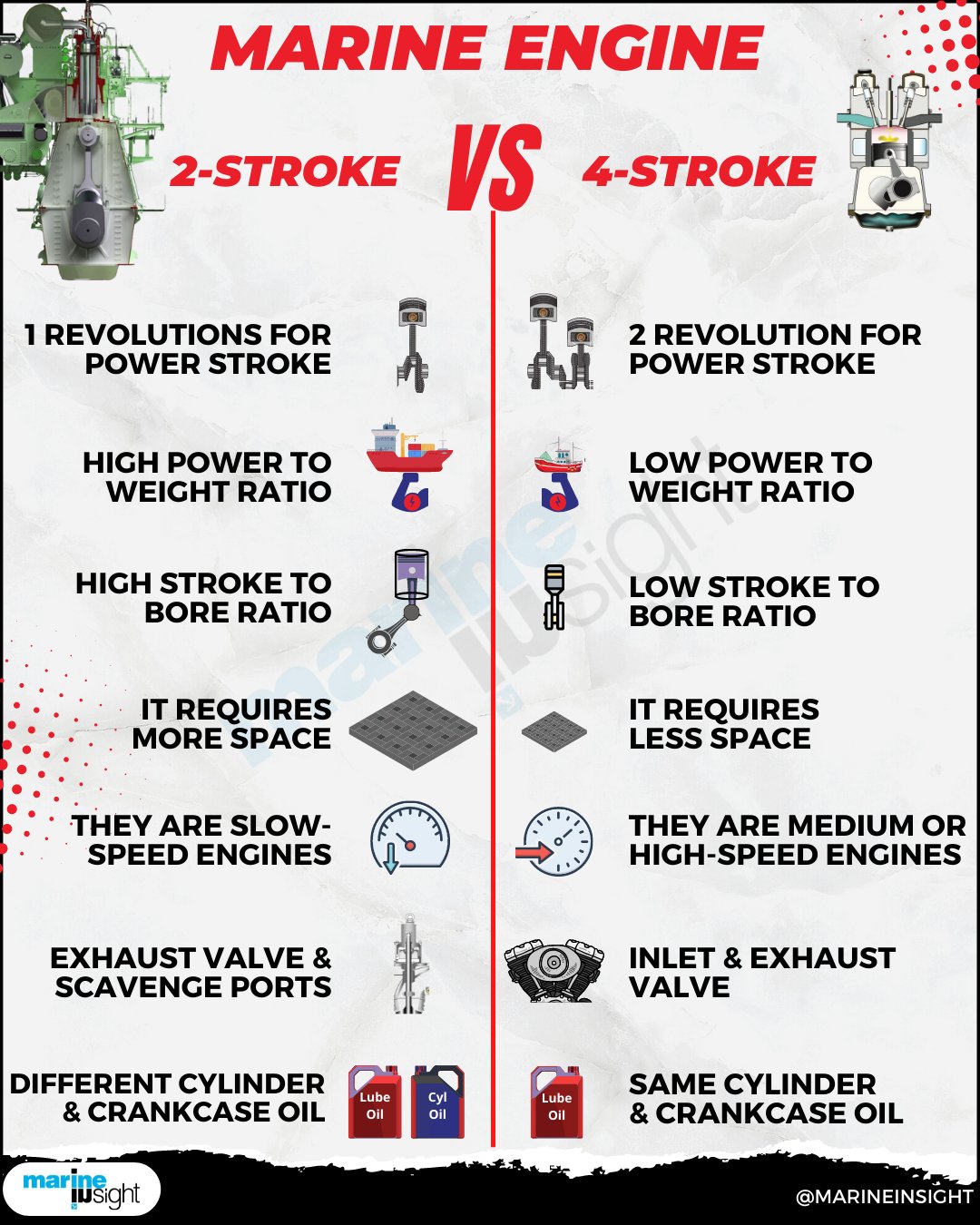

Understanding the differences between 2 vs 4 stroke engines is crucial for anyone involved in mechanics, automotive engineering, or even for enthusiasts who enjoy tinkering with engines. Both types of engines have their unique characteristics, advantages, and disadvantages. This blog post will delve into the intricacies of 2 vs 4 stroke engines, helping you make informed decisions about which type of engine best suits your needs.
What is a 2 Stroke Engine?
A 2 stroke engine is a type of internal combustion engine that completes a power cycle in only two strokes of the piston during only one crankshaft revolution. This design is simpler and lighter compared to 4 stroke engines, making it popular in various applications such as motorcycles, lawnmowers, and small boats.
How Does a 2 Stroke Engine Work?
The operation of a 2 stroke engine can be broken down into the following steps:
- Intake and Compression: The piston moves down the cylinder, drawing in a mixture of fuel and air. As the piston moves back up, it compresses this mixture.
- Power and Exhaust: The spark plug ignites the compressed fuel-air mixture, forcing the piston down. As the piston moves down, it pushes out the exhaust gases through the exhaust port.
This cycle repeats continuously, providing power to the engine.
Advantages of 2 Stroke Engines
- Simplicity: 2 stroke engines have fewer moving parts, making them easier to manufacture and maintain.
- Lightweight: Due to their simpler design, 2 stroke engines are generally lighter, which is beneficial for applications where weight is a concern.
- High Power-to-Weight Ratio: 2 stroke engines can produce a high amount of power relative to their weight, making them ideal for racing and high-performance applications.
Disadvantages of 2 Stroke Engines
- Pollution: 2 stroke engines are known for their higher emissions due to the incomplete combustion of fuel and the mixing of oil with the fuel.
- Fuel Efficiency: These engines are generally less fuel-efficient compared to 4 stroke engines.
- Noise: 2 stroke engines tend to be noisier due to the rapid firing of the cylinders.
What is a 4 Stroke Engine?
A 4 stroke engine is a type of internal combustion engine that completes a power cycle in four strokes of the piston during two crankshaft revolutions. This design is more complex but offers several advantages over 2 stroke engines, making it the preferred choice for most modern vehicles.
How Does a 4 Stroke Engine Work?
The operation of a 4 stroke engine can be broken down into the following steps:
- Intake: The piston moves down the cylinder, drawing in air or a fuel-air mixture through the intake valve.
- Compression: The piston moves back up, compressing the air or fuel-air mixture.
- Power: The spark plug ignites the compressed fuel-air mixture, forcing the piston down and generating power.
- Exhaust: The piston moves back up, pushing out the exhaust gases through the exhaust valve.
This cycle repeats continuously, providing power to the engine.
Advantages of 4 Stroke Engines
- Fuel Efficiency: 4 stroke engines are generally more fuel-efficient due to better combustion and the separation of the fuel and oil systems.
- Lower Emissions: These engines produce fewer emissions compared to 2 stroke engines, making them more environmentally friendly.
- Durability: 4 stroke engines are known for their durability and longevity, thanks to their robust design and better lubrication.
Disadvantages of 4 Stroke Engines
- Complexity: 4 stroke engines have more moving parts, making them more complex and potentially more expensive to manufacture and maintain.
- Weight: These engines are generally heavier due to their more complex design.
- Lower Power-to-Weight Ratio: 4 stroke engines may not produce as much power relative to their weight compared to 2 stroke engines.
2 Vs 4 Stroke: A Comparative Analysis
To better understand the differences between 2 vs 4 stroke engines, let's compare them side by side:
| Feature | 2 Stroke Engine | 4 Stroke Engine |
|---|---|---|
| Power Cycle | Two strokes per power cycle | Four strokes per power cycle |
| Fuel Efficiency | Lower | Higher |
| Emissions | Higher | Lower |
| Complexity | Simpler | More complex |
| Weight | Lighter | Heavier |
| Power-to-Weight Ratio | Higher | Lower |
| Noise | Noisier | Quieter |
| Durability | Less durable | More durable |
This comparison highlights the key differences between 2 vs 4 stroke engines, helping you understand which type of engine might be better suited for your specific needs.
🔧 Note: The choice between a 2 vs 4 stroke engine often depends on the specific application and requirements. For example, 2 stroke engines are often used in small, lightweight applications where high power-to-weight ratio is crucial, while 4 stroke engines are preferred for larger, more durable applications where fuel efficiency and lower emissions are important.
Applications of 2 Vs 4 Stroke Engines
Both 2 vs 4 stroke engines have their unique applications, and understanding these can help you make an informed decision. Here are some common applications for each type of engine:
Applications of 2 Stroke Engines
- Motorcycles and Scooters: Many small motorcycles and scooters use 2 stroke engines due to their lightweight and high power-to-weight ratio.
- Lawnmowers and Chainsaws: 2 stroke engines are commonly used in small power tools like lawnmowers and chainsaws because of their simplicity and reliability.
- Small Boats and Jet Skis: 2 stroke engines are popular in small watercraft due to their lightweight and high power output.
Applications of 4 Stroke Engines
- Cars and Trucks: Most modern vehicles use 4 stroke engines due to their fuel efficiency, lower emissions, and durability.
- Motorcycles and ATVs: Larger motorcycles and all-terrain vehicles (ATVs) often use 4 stroke engines for their reliability and better performance.
- Generators and Pumps: 4 stroke engines are commonly used in generators and pumps due to their durability and efficiency.
Understanding the specific applications of 2 vs 4 stroke engines can help you choose the right type of engine for your needs.
🔧 Note: The choice between a 2 vs 4 stroke engine should also consider factors such as maintenance requirements, cost, and environmental regulations. For example, in areas with strict emission standards, a 4 stroke engine might be the better choice despite its higher cost.
Maintenance and Care for 2 Vs 4 Stroke Engines
Maintaining and caring for your engine is crucial for its longevity and performance. Here are some tips for maintaining both 2 vs 4 stroke engines:
Maintenance Tips for 2 Stroke Engines
- Fuel and Oil Mixture: Ensure you use the correct fuel and oil mixture as recommended by the manufacturer. Incorrect mixtures can lead to poor performance and engine damage.
- Regular Cleaning: Keep the engine clean to prevent the buildup of dirt and debris, which can affect its performance.
- Inspect Spark Plugs: Regularly check and replace spark plugs to ensure proper ignition and engine performance.
Maintenance Tips for 4 Stroke Engines
- Oil Changes: Regularly change the engine oil and oil filter to maintain proper lubrication and prevent engine wear.
- Air Filter Replacement: Replace the air filter as recommended by the manufacturer to ensure proper airflow and engine performance.
- Coolant System: Check and maintain the coolant system to prevent overheating and engine damage.
Proper maintenance and care can extend the life of your engine and ensure optimal performance.
🔧 Note: Always refer to the manufacturer's guidelines for specific maintenance requirements and schedules. Regular inspections and timely repairs can prevent major issues and prolong the life of your engine.
In conclusion, understanding the differences between 2 vs 4 stroke engines is essential for making informed decisions about which type of engine best suits your needs. Both types have their unique advantages and disadvantages, and the choice often depends on the specific application and requirements. Whether you opt for a 2 stroke engine for its simplicity and high power-to-weight ratio or a 4 stroke engine for its fuel efficiency and durability, proper maintenance and care are crucial for ensuring optimal performance and longevity. By considering factors such as fuel efficiency, emissions, complexity, weight, and specific applications, you can make an informed decision that meets your needs and preferences.
Related Terms:
- two stroke vs 4 engine
- 2 cylinder 4 stroke engine
- 2 stroke vs 4 motors
- 2 stroke engine versus 4
- 2 stroke vs 4 gas
- two stroke versus four