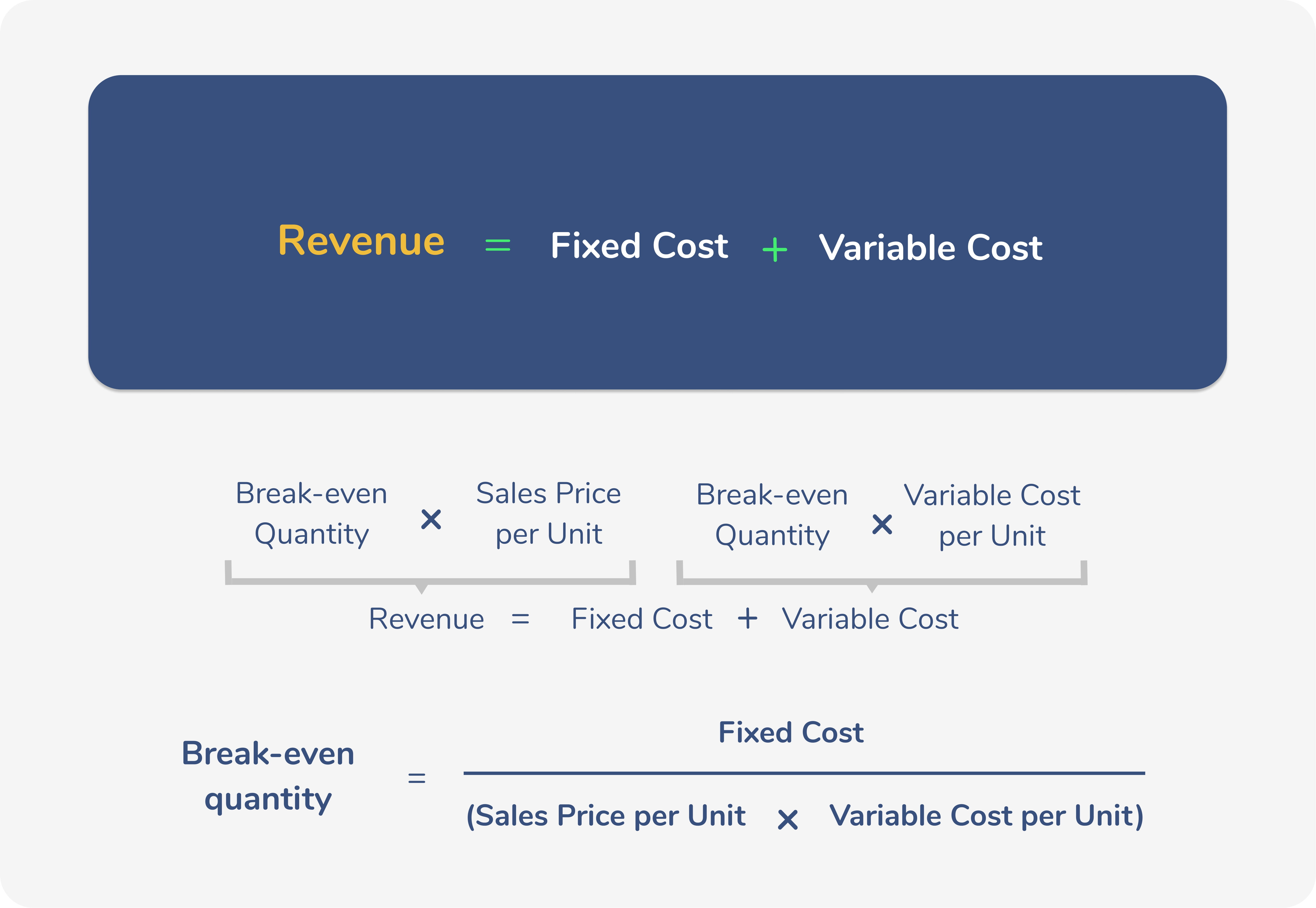

Understanding and managing costs is a critical aspect of running a successful business. One of the key components of cost management is the ability to accurately calculate variable cost. Variable costs are expenses that change in proportion to the level of production or sales. These costs can significantly impact a company's profitability and financial planning. This post will delve into the importance of calculating variable costs, the methods to do so, and how businesses can use this information to make informed decisions.
Understanding Variable Costs
Variable costs are those that fluctuate based on the volume of goods or services produced. Examples include raw materials, labor directly involved in production, and packaging costs. Unlike fixed costs, which remain constant regardless of production levels, variable costs can vary significantly. For instance, if a company produces more units, it will need more raw materials, thereby increasing the variable cost.
To effectively manage variable costs, businesses need to understand their cost structure. This involves identifying all variable costs associated with production and determining how they change with different levels of output. By doing so, companies can better plan their budgets, set prices, and optimize their operations.
Importance of Calculating Variable Cost
Calculating variable costs is essential for several reasons:
- Budgeting and Financial Planning: Accurate calculation of variable costs helps in creating realistic budgets and financial plans. It allows businesses to forecast expenses and allocate resources more effectively.
- Pricing Strategy: Understanding variable costs is crucial for setting competitive prices. By knowing the cost per unit, businesses can determine the minimum price at which they can sell their products without incurring a loss.
- Cost Control: Identifying variable costs enables businesses to implement cost-control measures. For example, if the cost of raw materials is high, a company might look for cheaper suppliers or negotiate better terms.
- Profitability Analysis: Variable costs directly impact a company's profitability. By analyzing these costs, businesses can identify areas where they can reduce expenses and improve their bottom line.
Methods to Calculate Variable Cost
There are several methods to calculate variable costs, each with its own advantages and limitations. The choice of method depends on the nature of the business and the availability of data.
Direct Method
The direct method involves identifying and summing up all variable costs associated with production. This method is straightforward and provides a clear picture of the costs involved. However, it requires accurate and detailed records of all variable expenses.
To use the direct method, follow these steps:
- Identify all variable costs: List down all expenses that vary with the level of production. This includes raw materials, direct labor, and other production-related costs.
- Calculate the cost per unit: Divide the total variable cost by the number of units produced. This gives the variable cost per unit.
- Analyze the results: Use the calculated variable cost per unit to make informed decisions about pricing, budgeting, and cost control.
📝 Note: The direct method is best suited for businesses with straightforward production processes and easily identifiable variable costs.
Indirect Method
The indirect method involves using historical data and statistical analysis to estimate variable costs. This method is useful when direct data is not available or when costs are influenced by multiple factors. It typically involves regression analysis, where the relationship between production levels and costs is analyzed to estimate variable costs.
To use the indirect method, follow these steps:
- Collect historical data: Gather data on production levels and corresponding costs over a period.
- Perform regression analysis: Use statistical software to analyze the data and determine the relationship between production levels and costs.
- Estimate variable costs: Based on the regression analysis, estimate the variable cost per unit.
📝 Note: The indirect method requires statistical expertise and access to historical data. It is more complex than the direct method but can provide more accurate estimates in certain situations.
Activity-Based Costing (ABC) Method
The Activity-Based Costing (ABC) method involves allocating costs based on the activities that drive them. This method is particularly useful for businesses with complex production processes and multiple cost drivers. It provides a more detailed and accurate picture of variable costs by tracing them back to specific activities.
To use the ABC method, follow these steps:
- Identify activities: List down all activities involved in production, such as machining, assembly, and packaging.
- Assign costs to activities: Allocate costs to each activity based on the resources consumed.
- Calculate cost per unit: Determine the cost per unit by tracing the costs of each activity back to the final product.
📝 Note: The ABC method is more time-consuming and requires detailed data on activities and cost drivers. However, it provides a comprehensive view of variable costs and can be particularly useful for businesses with complex production processes.
Using Variable Cost Information
Once variable costs are calculated, businesses can use this information to make informed decisions. Here are some ways to leverage variable cost information:
Pricing Strategy
Understanding variable costs is crucial for setting competitive prices. By knowing the cost per unit, businesses can determine the minimum price at which they can sell their products without incurring a loss. This information can also help in setting prices that maximize profitability.
Cost Control
Identifying variable costs enables businesses to implement cost-control measures. For example, if the cost of raw materials is high, a company might look for cheaper suppliers or negotiate better terms. By monitoring variable costs, businesses can identify areas where they can reduce expenses and improve their bottom line.
Budgeting and Financial Planning
Accurate calculation of variable costs helps in creating realistic budgets and financial plans. It allows businesses to forecast expenses and allocate resources more effectively. By understanding how variable costs change with production levels, businesses can better plan their budgets and financial strategies.
Profitability Analysis
Variable costs directly impact a company's profitability. By analyzing these costs, businesses can identify areas where they can reduce expenses and improve their bottom line. This information can also help in making strategic decisions about production levels, pricing, and cost control.
Case Study: Calculating Variable Cost in a Manufacturing Company
Let's consider a manufacturing company that produces widgets. The company wants to calculate its variable costs to set competitive prices and improve profitability. Here's how they can do it:
First, the company identifies all variable costs associated with production. These include:
- Raw materials: $5 per unit
- Direct labor: $3 per unit
- Packaging: $1 per unit
The total variable cost per unit is $9 ($5 + $3 + $1). The company can use this information to set prices, create budgets, and implement cost-control measures.
For example, if the company wants to achieve a 20% profit margin, it can set the selling price at $10.80 per unit ($9 variable cost + $1.80 profit). This ensures that the company covers its variable costs and achieves the desired profit margin.
Additionally, the company can use this information to monitor its variable costs and identify areas for improvement. For instance, if the cost of raw materials increases, the company can look for cheaper suppliers or negotiate better terms to reduce its variable costs.
Challenges in Calculating Variable Cost
While calculating variable costs is essential, it also comes with several challenges. Some of the common challenges include:
- Data Availability: Accurate calculation of variable costs requires detailed and accurate data. However, many businesses struggle with data availability and accuracy.
- Complex Production Processes: Businesses with complex production processes may find it difficult to identify and allocate variable costs accurately.
- Fluctuating Costs: Variable costs can fluctuate due to changes in market conditions, supplier prices, and other factors. This makes it challenging to calculate accurate variable costs.
- Cost Drivers: Identifying the cost drivers that influence variable costs can be complex. This requires a detailed understanding of the production process and the factors that affect costs.
To overcome these challenges, businesses need to invest in robust data management systems, implement cost accounting practices, and continuously monitor their variable costs. By doing so, they can ensure accurate calculation of variable costs and make informed decisions.
Conclusion
Calculating variable costs is a critical aspect of cost management and financial planning. By understanding and accurately calculating variable costs, businesses can set competitive prices, implement cost-control measures, create realistic budgets, and improve profitability. While there are challenges involved, investing in data management systems and cost accounting practices can help businesses overcome these challenges and make informed decisions. By leveraging variable cost information, businesses can achieve their financial goals and stay competitive in the market.
Related Terms:
- variable cost calculation formula
- calculate variable cost formula
- variable costs formula
- formula to find variable cost
- calculate variable cost per unit
- calculate variable cost ratio