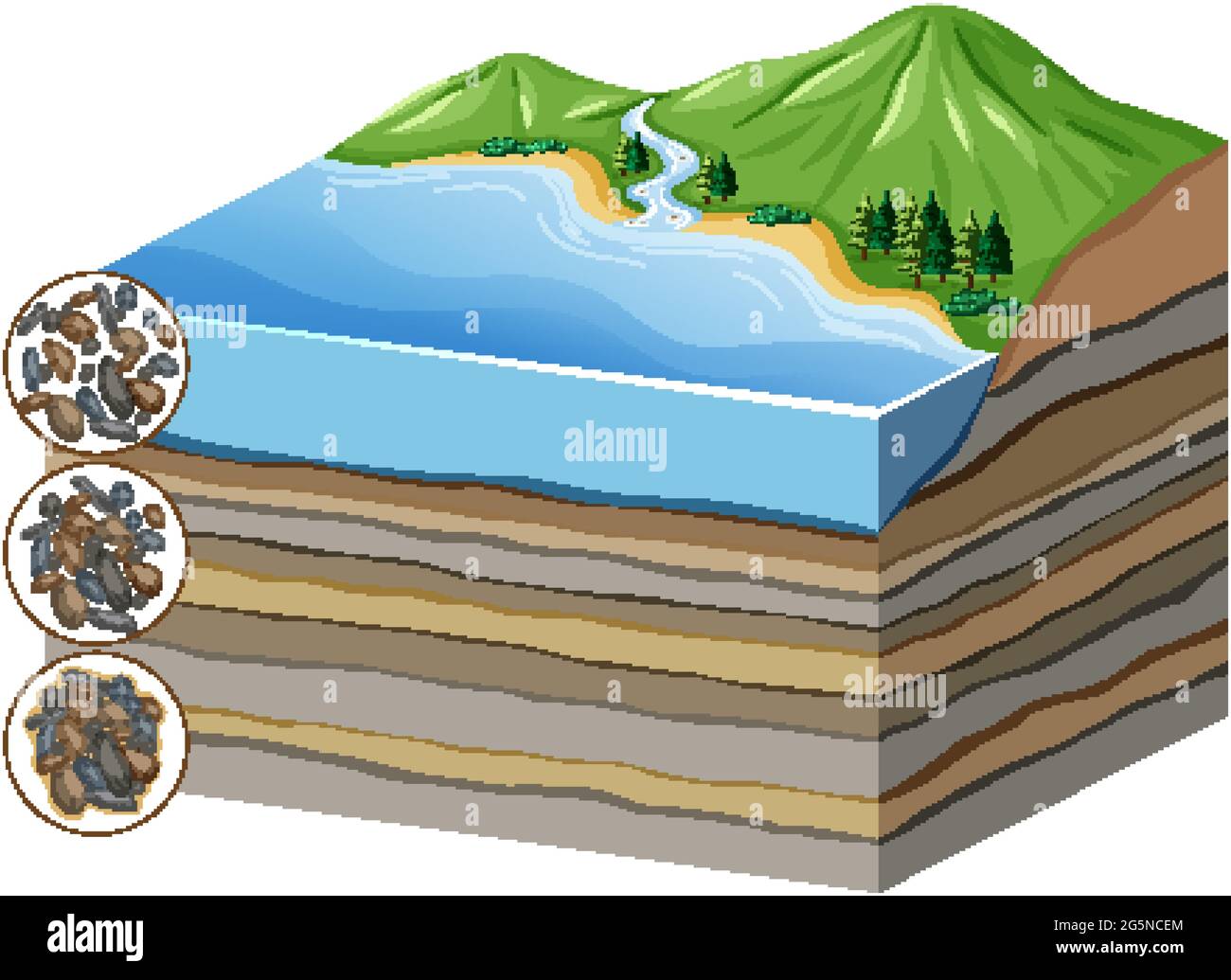

In the realm of geology and soil mechanics, the processes of compaction and cementation play a pivotal role in shaping the properties and behavior of soils and rocks. These processes are fundamental to understanding the stability and strength of geological formations, which are crucial for various engineering applications, including construction, mining, and environmental management. This blog post delves into the intricacies of compaction and cementation, exploring their definitions, mechanisms, and practical implications.
Understanding Compaction
Compaction is the process by which soil particles are pressed together, reducing the volume of voids (spaces) between them. This process increases the density of the soil, making it more stable and less prone to settlement. Compaction can occur naturally through the weight of overlying soil layers or artificially through mechanical means such as rolling or vibrating.
There are several key factors that influence the compaction of soil:
- Moisture Content: The amount of water present in the soil affects its compaction. Optimal moisture content allows for better compaction as water acts as a lubricant between soil particles.
- Soil Type: Different types of soil, such as clay, silt, sand, and gravel, have varying compaction characteristics. For example, clay soils are generally more compressible than sandy soils.
- Compaction Energy: The amount of energy applied during compaction, whether through natural processes or mechanical methods, directly affects the degree of compaction achieved.
Compaction is essential in various engineering projects, including the construction of roads, buildings, and dams. Proper compaction ensures that the soil can support the weight of the structure without excessive settlement or failure.
Mechanisms of Compaction
The mechanisms of compaction can be broadly categorized into two types: static and dynamic compaction.
Static Compaction: This type of compaction occurs when a constant load is applied to the soil over a period. The weight of the load causes the soil particles to rearrange and settle closer together, reducing the void spaces. Static compaction is often used in the construction of foundations and embankments.
Dynamic Compaction: This involves the application of repeated impacts or vibrations to the soil. Dynamic compaction is commonly used in the compaction of coarse-grained soils, such as gravel and sand. The repeated impacts cause the soil particles to rearrange and settle more densely, resulting in higher compaction.
Importance of Compaction in Engineering
Compaction is a critical process in various engineering applications. Some of the key areas where compaction plays a vital role include:
- Road Construction: Proper compaction of the soil base and sub-base layers is essential for the longevity and performance of roads. Well-compacted soil provides a stable foundation that can withstand the weight and movement of vehicles.
- Building Foundations: Compaction ensures that the soil beneath a building can support the structure's weight without settling or shifting. This is particularly important in areas with soft or unstable soils.
- Earth Dams and Embankments: Compaction is crucial for the stability and water-tightness of earth dams and embbankments. Properly compacted soil reduces the risk of seepage and failure, ensuring the safety and longevity of these structures.
Understanding Cementation
Cementation is the process by which soil particles are bonded together by a cementing agent, such as calcium carbonate or silica. This process increases the strength and stability of the soil, making it more resistant to erosion and deformation. Cementation can occur naturally through geological processes or artificially through the addition of chemical agents.
There are several key factors that influence the cementation of soil:
- Type of Cementing Agent: Different cementing agents have varying bonding strengths and chemical properties. For example, calcium carbonate is a common cementing agent in limestone formations, while silica is often found in sandstone.
- Environmental Conditions: The presence of water, temperature, and pH levels can affect the rate and extent of cementation. For instance, higher temperatures can accelerate the cementation process.
- Soil Composition: The mineral composition of the soil influences its susceptibility to cementation. Soils with higher clay content may be more prone to cementation due to the presence of fine particles that can bind together.
Cementation is crucial in various geological and engineering applications, including the stabilization of soils, the formation of sedimentary rocks, and the construction of underground structures.
Mechanisms of Cementation
The mechanisms of cementation can be broadly categorized into two types: chemical and biological cementation.
Chemical Cementation: This type of cementation occurs when chemical reactions between soil particles and cementing agents result in the formation of bonds. For example, the precipitation of calcium carbonate from groundwater can bind soil particles together, forming a cemented layer.
Biological Cementation: This involves the action of microorganisms, such as bacteria and fungi, which produce substances that bind soil particles together. Biological cementation is often observed in soils with high organic matter content, where microorganisms play a significant role in the formation of stable aggregates.
Importance of Cementation in Engineering
Cementation is a critical process in various engineering applications. Some of the key areas where cementation plays a vital role include:
- Soil Stabilization: Cementation can be used to stabilize soils that are prone to erosion or deformation. By adding chemical agents or promoting biological activity, engineers can enhance the strength and stability of the soil.
- Formation of Sedimentary Rocks: Cementation is a key process in the formation of sedimentary rocks, such as limestone and sandstone. Understanding the mechanisms of cementation can help geologists predict the properties and behavior of these rocks.
- Construction of Underground Structures: Cementation can be used to stabilize soils around underground structures, such as tunnels and shafts. By enhancing the strength and stability of the surrounding soil, engineers can ensure the safety and longevity of these structures.
Compaction and Cementation in Soil Mechanics
In soil mechanics, the processes of compaction and cementation are often studied together to understand the behavior and properties of soils. These processes are interrelated and can influence each other in various ways. For example, compaction can increase the density of soil, making it more susceptible to cementation. Conversely, cementation can enhance the strength and stability of compacted soil, reducing the risk of settlement or failure.
To illustrate the relationship between compaction and cementation, consider the following table:
| Process | Mechanism | Key Factors | Engineering Applications |
|---|---|---|---|
| Compaction | Reduction of void spaces between soil particles | Moisture content, soil type, compaction energy | Road construction, building foundations, earth dams |
| Cementation | Bonding of soil particles by a cementing agent | Type of cementing agent, environmental conditions, soil composition | Soil stabilization, formation of sedimentary rocks, underground structures |
Understanding the interplay between compaction and cementation is essential for engineers and geologists to design and implement effective soil management strategies. By optimizing these processes, they can enhance the stability and performance of various engineering structures and geological formations.
📝 Note: The table above provides a summary of the key processes, mechanisms, factors, and applications of compaction and cementation in soil mechanics. This information can serve as a quick reference for engineers and geologists working in the field.
In addition to their individual roles, compaction and cementation can be combined to achieve specific engineering goals. For example, in the construction of earth dams, compaction is used to increase the density of the soil, while cementation is employed to enhance its strength and stability. This combined approach ensures that the dam can withstand the pressure of water and resist erosion over time.
Similarly, in the stabilization of soils for road construction, compaction is used to create a stable base layer, while cementation is applied to bind the soil particles together, reducing the risk of settlement and deformation. This dual approach ensures that the road can support the weight and movement of vehicles without excessive wear and tear.
Case Studies: Compaction and Cementation in Action
To further illustrate the importance of compaction and cementation, let's examine a couple of case studies:
Case Study 1: Earth Dam Construction
In the construction of an earth dam, compaction and cementation play crucial roles in ensuring the stability and longevity of the structure. The soil used for the dam is first compacted to increase its density and reduce the risk of settlement. This is typically achieved through the use of heavy rollers or vibratory compactors, which apply pressure to the soil, causing the particles to rearrange and settle closer together.
Once the soil is compacted, cementation is employed to enhance its strength and stability. This is often done by adding chemical agents, such as calcium carbonate or silica, which bind the soil particles together. The cemented soil provides a stable foundation for the dam, reducing the risk of seepage and failure.
Case Study 2: Road Construction
In road construction, compaction and cementation are used to create a stable and durable base layer. The soil for the base layer is first compacted to increase its density and reduce the risk of settlement. This is typically achieved through the use of heavy rollers or vibratory compactors, which apply pressure to the soil, causing the particles to rearrange and settle closer together.
Once the soil is compacted, cementation is employed to bind the soil particles together, reducing the risk of erosion and deformation. This is often done by adding chemical agents, such as lime or cement, which react with the soil particles to form strong bonds. The cemented soil provides a stable base for the road, ensuring that it can support the weight and movement of vehicles without excessive wear and tear.
These case studies demonstrate the practical applications of compaction and cementation in engineering projects. By understanding and optimizing these processes, engineers can design and implement effective soil management strategies that enhance the stability and performance of various structures.
📝 Note: The case studies provided above are examples of how compaction and cementation are applied in real-world engineering projects. These examples can serve as a reference for engineers and geologists working in the field.
In conclusion, the processes of compaction and cementation are fundamental to understanding the behavior and properties of soils and rocks. These processes play a crucial role in various engineering applications, including construction, mining, and environmental management. By optimizing compaction and cementation, engineers can enhance the stability and performance of various structures, ensuring their longevity and safety. Understanding the mechanisms and factors that influence these processes is essential for designing effective soil management strategies that meet the demands of modern engineering projects.
Related Terms:
- definition of compaction and cementation
- difference between compaction and cementation
- compacting and cementing rocks
- compaction and cementation examples
- deposition compaction and cementation
- what is compacting and cementing