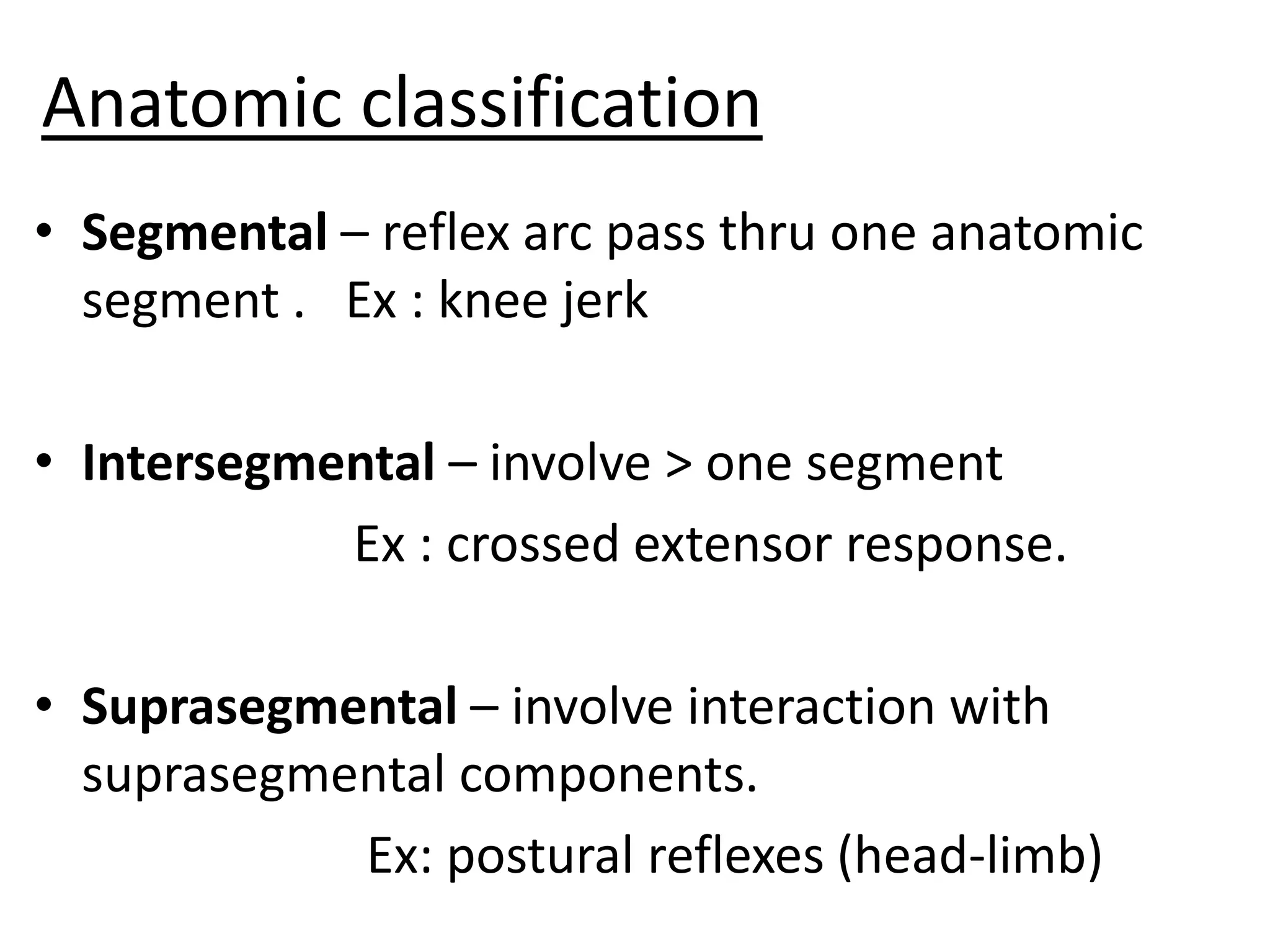

The human body is a marvel of complexity, with intricate systems working together to maintain balance and respond to stimuli. One of the fascinating mechanisms that contribute to this harmony is the Crossed Extensor Reflex. This reflex is a crucial component of the body's protective responses, ensuring that we can quickly react to potential threats and maintain stability. Understanding the Crossed Extensor Reflex provides insights into how our nervous system functions and how it helps us navigate the world safely.
The Anatomy of the Crossed Extensor Reflex
The Crossed Extensor Reflex is a spinal reflex that involves the coordination of muscles on opposite sides of the body. It is typically triggered by a noxious stimulus, such as a sharp pain or sudden impact, on one side of the body. This reflex helps to withdraw the affected limb from the stimulus while extending the contralateral limb to maintain balance.
To understand how this reflex works, it's essential to delve into the anatomy of the spinal cord and the peripheral nervous system. The reflex arc involves several key components:
- Receptor: Sensory receptors in the skin, muscles, or joints detect the noxious stimulus.
- Afferent neuron: This neuron carries the sensory information from the receptor to the spinal cord.
- Interneuron: Located in the spinal cord, the interneuron relays the signal to the efferent neurons on both sides of the body.
- Efferent neuron: This neuron carries the motor command from the spinal cord to the muscles, initiating the reflex response.
- Effector: The muscles that contract or relax in response to the motor command.
The Mechanism of the Crossed Extensor Reflex
The Crossed Extensor Reflex operates through a well-coordinated sequence of events. When a noxious stimulus is detected, the following steps occur:
- The sensory receptors in the affected area send signals via afferent neurons to the spinal cord.
- The afferent neurons synapse with interneurons in the spinal cord, which then relay the signal to both the ipsilateral (same side) and contralateral (opposite side) efferent neurons.
- The ipsilateral efferent neurons initiate a withdrawal reflex, causing the affected limb to flex and move away from the stimulus.
- Simultaneously, the contralateral efferent neurons trigger an extension reflex, causing the opposite limb to extend and provide support.
This coordinated response ensures that the body can quickly withdraw from the harmful stimulus while maintaining balance and stability. The Crossed Extensor Reflex is a prime example of how the nervous system integrates sensory information and motor commands to produce a protective and adaptive response.
Clinical Significance of the Crossed Extensor Reflex
The Crossed Extensor Reflex plays a vital role in clinical settings, particularly in the assessment of neurological function. Neurologists and physiotherapists often use this reflex to evaluate the integrity of the spinal cord and peripheral nerves. Abnormalities in the Crossed Extensor Reflex can indicate underlying neurological disorders or injuries.
For instance, in cases of spinal cord injury, the Crossed Extensor Reflex may be absent or altered, providing valuable information about the location and severity of the injury. Similarly, conditions such as multiple sclerosis or peripheral neuropathy can affect the reflex, helping clinicians diagnose and manage these conditions effectively.
In addition to diagnostic purposes, understanding the Crossed Extensor Reflex is crucial for rehabilitation and physical therapy. Therapists can use this reflex to design exercises that improve balance, coordination, and motor control in patients with neurological impairments. By targeting the muscles involved in the reflex, therapists can help patients regain functional mobility and independence.
Examples of the Crossed Extensor Reflex in Action
To better understand the Crossed Extensor Reflex, let's consider a few examples of how it manifests in everyday situations:
- Stepping on a Sharp Object: Imagine stepping on a sharp object with your left foot. The pain receptors in your foot send signals to the spinal cord, triggering the Crossed Extensor Reflex. Your left leg flexes to withdraw from the object, while your right leg extends to maintain balance.
- Falling Forward: If you trip and start to fall forward, the Crossed Extensor Reflex helps you catch yourself. As your body leans forward, the reflex causes your arms to extend and your legs to flex, allowing you to break the fall and regain stability.
- Reaching for Support: When you reach out to grab a handrail or a nearby object to steady yourself, the Crossed Extensor Reflex is at work. The reflex coordinates the extension of your arm and the flexion of your legs, helping you maintain balance and prevent a fall.
These examples illustrate how the Crossed Extensor Reflex is an essential component of our daily movements, ensuring that we can respond quickly and effectively to potential threats and maintain our balance.
Factors Affecting the Crossed Extensor Reflex
Several factors can influence the Crossed Extensor Reflex, including age, health conditions, and environmental factors. Understanding these factors can help clinicians and therapists optimize treatment strategies and improve patient outcomes.
Age is a significant factor that affects the Crossed Extensor Reflex. As we age, our reflexes tend to slow down, and the coordination between muscles may become less precise. This can increase the risk of falls and injuries in older adults. Regular exercise and physical therapy can help maintain and improve reflexes, reducing the risk of falls and enhancing overall mobility.
Health conditions such as diabetes, peripheral neuropathy, and spinal cord injuries can also impact the Crossed Extensor Reflex. These conditions can damage the nerves involved in the reflex, leading to abnormal or absent responses. Managing these conditions through medication, physical therapy, and lifestyle modifications can help preserve the integrity of the reflex and improve functional outcomes.
Environmental factors, such as lighting, surface conditions, and distractions, can also affect the Crossed Extensor Reflex. Poor lighting or uneven surfaces can increase the risk of falls by making it harder to detect and respond to potential hazards. Ensuring a safe and well-lit environment can help minimize these risks and enhance the effectiveness of the reflex.
Training and Enhancing the Crossed Extensor Reflex
While the Crossed Extensor Reflex is an automatic response, there are ways to train and enhance its effectiveness. Incorporating specific exercises and activities into your routine can help improve balance, coordination, and reflexes, reducing the risk of falls and injuries.
Here are some exercises and activities that can help enhance the Crossed Extensor Reflex:
- Balance Exercises: Activities such as standing on one leg, walking heel-to-toe, and using a balance board can help improve overall balance and coordination. These exercises challenge the body's ability to maintain stability and respond to changes in position.
- Strength Training: Strengthening the muscles involved in the Crossed Extensor Reflex, such as the quadriceps, hamstrings, and core muscles, can enhance the reflex's effectiveness. Incorporating exercises like squats, lunges, and planks into your routine can help build strength and improve reflexes.
- Proprioceptive Training: Activities that involve proprioception, such as yoga and tai chi, can help improve the body's awareness of its position and movement. These exercises can enhance the Crossed Extensor Reflex by improving the coordination between muscles and the nervous system.
- Reaction Time Drills: Exercises that focus on reaction time, such as catching a ball or stepping over obstacles, can help improve the speed and accuracy of the Crossed Extensor Reflex. These drills challenge the body to respond quickly to unexpected stimuli, enhancing reflexes and coordination.
Incorporating these exercises into your routine can help enhance the Crossed Extensor Reflex and improve overall mobility and stability. Regular practice and consistency are key to achieving optimal results.
💡 Note: Always consult with a healthcare professional before starting any new exercise program, especially if you have underlying health conditions or injuries.
The Role of the Crossed Extensor Reflex in Sports
The Crossed Extensor Reflex plays a crucial role in sports, where quick reactions and precise movements are essential for performance and safety. Athletes rely on this reflex to respond to sudden changes in direction, avoid collisions, and maintain balance during dynamic movements.
In sports such as soccer, basketball, and tennis, the Crossed Extensor Reflex helps athletes quickly change direction and react to opponents' movements. For example, a soccer player may need to suddenly change direction to avoid a tackle or intercept a pass. The reflex allows the player to quickly withdraw one leg while extending the other, maintaining balance and control.
In contact sports like football and rugby, the Crossed Extensor Reflex helps athletes avoid injuries by quickly responding to impacts and maintaining stability. When a player is tackled or collides with another player, the reflex helps them absorb the impact and regain balance, reducing the risk of falls and injuries.
Training programs for athletes often include exercises that target the Crossed Extensor Reflex, helping them improve their reaction time, coordination, and overall performance. These programs may include agility drills, plyometric exercises, and proprioceptive training, all of which enhance the reflex's effectiveness and contribute to better athletic performance.
The Crossed Extensor Reflex in Everyday Life
While the Crossed Extensor Reflex is crucial in sports and clinical settings, it also plays a vital role in our everyday lives. From navigating uneven surfaces to avoiding obstacles, this reflex helps us maintain balance and stability in various situations.
For example, when walking on an uneven surface, the Crossed Extensor Reflex helps us adjust our steps and maintain balance. As we encounter rocks, roots, or other obstacles, the reflex allows us to quickly withdraw one foot while extending the other, preventing falls and ensuring smooth navigation.
In social settings, the Crossed Extensor Reflex helps us maintain composure and avoid awkward situations. When we trip or stumble, the reflex allows us to quickly regain balance and avoid falling, preserving our dignity and preventing injuries.
In the workplace, the Crossed Extensor Reflex helps us perform tasks safely and efficiently. Whether we are lifting heavy objects, climbing ladders, or navigating crowded spaces, the reflex ensures that we can respond quickly to potential hazards and maintain stability.
Understanding the importance of the Crossed Extensor Reflex in everyday life can help us appreciate the complexity of our nervous system and the intricate mechanisms that contribute to our overall well-being.
Common Misconceptions About the Crossed Extensor Reflex
Despite its importance, there are several misconceptions about the Crossed Extensor Reflex that can lead to misunderstandings and misdiagnoses. Addressing these misconceptions can help clarify the role of this reflex and its significance in various contexts.
One common misconception is that the Crossed Extensor Reflex is solely a protective mechanism. While it does play a crucial role in protecting the body from harm, the reflex also contributes to balance, coordination, and overall mobility. Understanding this broader role can help clinicians and therapists design more effective treatment strategies and improve patient outcomes.
Another misconception is that the Crossed Extensor Reflex is only relevant in clinical settings. In reality, this reflex is essential in everyday life, sports, and various other activities. Recognizing its importance in these contexts can help individuals appreciate the complexity of their nervous system and the mechanisms that contribute to their overall well-being.
Some people believe that the Crossed Extensor Reflex is a voluntary response that can be consciously controlled. However, this reflex is an automatic response mediated by the spinal cord and peripheral nerves. While we can train and enhance the reflex through exercise and practice, it remains an involuntary response that occurs without conscious effort.
Addressing these misconceptions can help clarify the role of the Crossed Extensor Reflex and its significance in various contexts, ensuring that individuals and healthcare professionals have a accurate understanding of this important mechanism.
Future Directions in Crossed Extensor Reflex Research
As our understanding of the Crossed Extensor Reflex continues to evolve, researchers are exploring new avenues to enhance its effectiveness and improve patient outcomes. Future directions in research may include:
- Neuroplasticity and Rehabilitation: Investigating how neuroplasticity can be harnessed to enhance the Crossed Extensor Reflex in individuals with neurological impairments. This research could lead to new rehabilitation strategies that improve balance, coordination, and mobility.
- Technological Innovations: Developing new technologies, such as wearable devices and virtual reality systems, that can help train and enhance the Crossed Extensor Reflex. These innovations could provide more effective and engaging ways to improve reflexes and overall mobility.
- Pharmacological Interventions: Exploring the use of medications and supplements that can enhance the Crossed Extensor Reflex and improve neurological function. This research could lead to new treatments for conditions that affect the reflex, such as peripheral neuropathy and spinal cord injuries.
- Genetic Factors: Investigating the genetic factors that influence the Crossed Extensor Reflex and how they can be targeted to improve reflexes and overall mobility. This research could lead to personalized treatment strategies that address individual genetic variations.
These future directions in research hold promise for enhancing our understanding of the Crossed Extensor Reflex and developing new strategies to improve patient outcomes. As our knowledge of this reflex continues to grow, we can expect to see significant advancements in rehabilitation, sports performance, and overall well-being.
💡 Note: Ongoing research and collaboration among healthcare professionals, researchers, and technologists will be crucial in advancing our understanding of the Crossed Extensor Reflex and developing innovative solutions to improve patient outcomes.
Conclusion
The Crossed Extensor Reflex is a fascinating and essential component of our nervous system, playing a crucial role in protecting the body, maintaining balance, and enhancing overall mobility. From its anatomical and physiological mechanisms to its clinical significance and applications in everyday life, this reflex highlights the complexity and adaptability of the human body. Understanding the Crossed Extensor Reflex provides valuable insights into how our nervous system functions and how it helps us navigate the world safely and effectively. By appreciating the importance of this reflex, we can enhance our well-being, improve our performance in various activities, and develop more effective strategies for rehabilitation and injury prevention.
Related Terms:
- crossed extensor reflex example
- crossed extensor reflex baby
- crossed extensor reflex test
- crossed extension reflex
- crossed extensor reflex definition
- crossed extensor reflex meaning