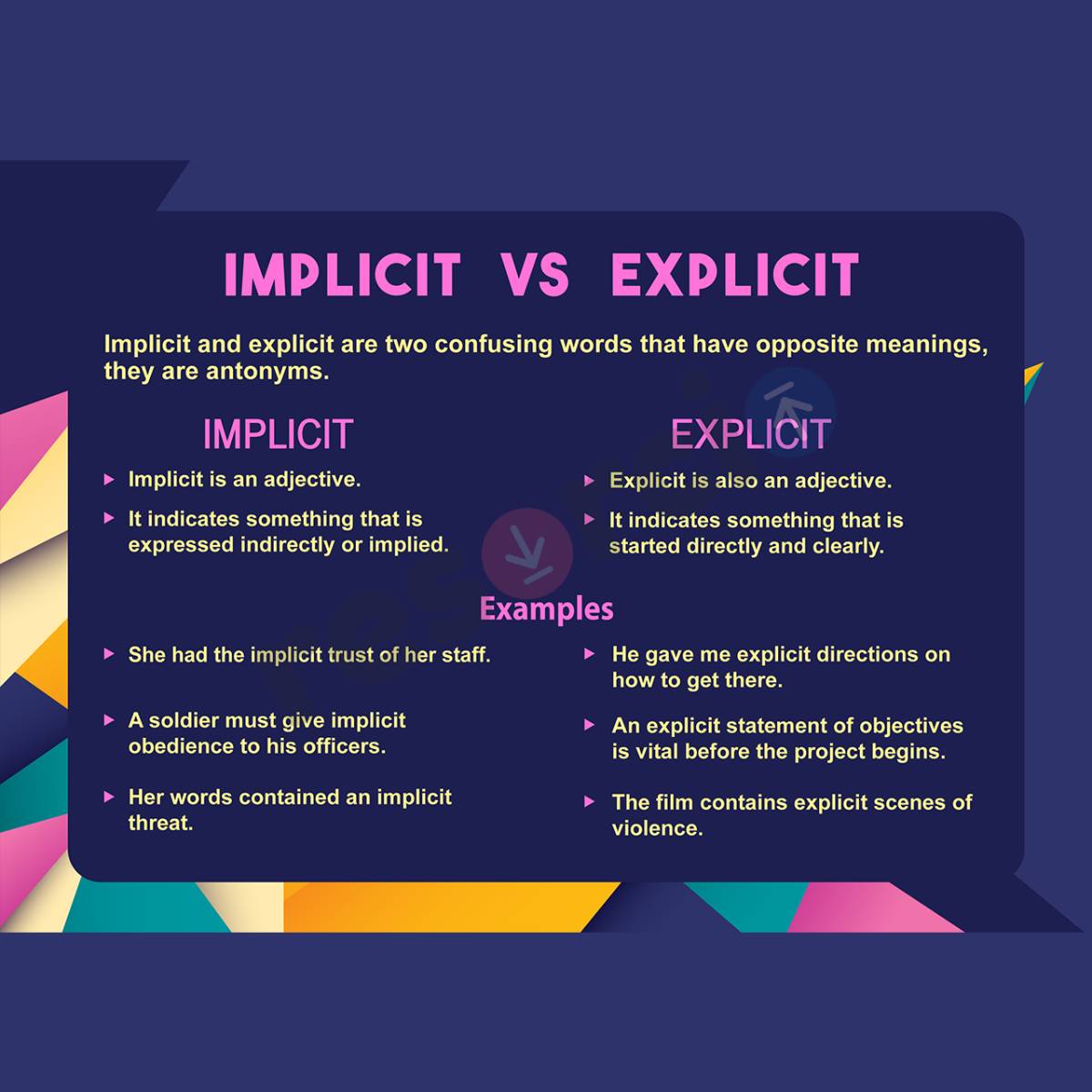

Understanding the nuances between *implicit vs explicit bias* is crucial in today's diverse and interconnected world. Bias, whether conscious or unconscious, can significantly impact decision-making processes, interpersonal relationships, and organizational cultures. This post delves into the distinctions between implicit and explicit biases, their manifestations, and the strategies to mitigate their effects.
Understanding Explicit Bias
Explicit bias refers to the conscious attitudes and beliefs that individuals hold about specific groups or individuals. These biases are often overt and can be easily identified through verbal or behavioral expressions. Explicit biases are learned through socialization, personal experiences, and cultural influences. They can manifest in various ways, including:
- Stereotyping: Making assumptions about individuals based on their membership in a particular group.
- Prejudice: Holding negative attitudes or beliefs about a group or individual.
- Discrimination: Acting on prejudicial attitudes through unfair treatment or exclusion.
Explicit biases are often more straightforward to address because they are conscious and can be challenged through education, awareness, and open dialogue. However, their overt nature can also make them more resistant to change, as individuals may be defensive about their beliefs and attitudes.
Exploring Implicit Bias
Implicit bias, on the other hand, refers to the unconscious attitudes and stereotypes that affect our perceptions, actions, and decisions. These biases are automatic and often operate outside of our conscious awareness. Implicit biases are formed through repeated exposure to cultural messages and social norms, which can shape our perceptions and behaviors without our realization.
Implicit biases can be particularly insidious because they are not easily detectable. They can influence our decisions and actions in subtle ways, leading to unintended consequences. For example, implicit biases can affect:
- Hiring decisions: Unconsciously favoring candidates who fit a certain stereotype.
- Performance evaluations: Judging employees based on preconceived notions rather than objective criteria.
- Customer interactions: Treating customers differently based on their perceived group membership.
Implicit biases are more challenging to address because they are unconscious. However, recognizing their existence is the first step toward mitigating their effects. Strategies such as implicit bias training, mindfulness, and self-reflection can help individuals become more aware of their unconscious biases and take steps to counteract them.
Implicit Vs Explicit Bias: Key Differences
Understanding the key differences between implicit and explicit biases is essential for developing effective strategies to address them. Here is a comparison of the two types of biases:
| Aspect | Explicit Bias | Implicit Bias |
|---|---|---|
| Awareness | Conscious | Unconscious |
| Manifestation | Overt and easily identifiable | Subtle and often undetectable |
| Formation | Learned through socialization and personal experiences | Formed through repeated exposure to cultural messages |
| Impact | Can be directly challenged and addressed | More challenging to address due to unconscious nature |
While explicit biases are more overt and easier to identify, implicit biases can have a more profound and pervasive impact because they operate outside of our conscious awareness. Both types of biases require different approaches to address effectively.
Strategies to Mitigate Implicit Vs Explicit Bias
Addressing both implicit and explicit biases requires a multi-faceted approach. Here are some strategies to mitigate the effects of these biases:
Educational Programs
Educational programs can play a crucial role in raising awareness about implicit vs explicit bias. These programs can include workshops, seminars, and training sessions that focus on:
- Recognizing and understanding biases
- The impact of biases on decision-making and behavior
- Strategies to counteract biases
Educational programs should be tailored to the specific needs and contexts of the participants to ensure their effectiveness.
Policy and Procedural Changes
Organizations can implement policies and procedures that promote fairness and reduce the impact of biases. For example:
- Blind recruitment processes: Removing identifying information from job applications to reduce explicit biases.
- Structured interviews: Using standardized questions and evaluation criteria to minimize implicit biases.
- Diverse hiring panels: Including a diverse range of individuals in the hiring process to ensure a broader perspective.
These changes can help create a more inclusive and equitable environment.
Self-Reflection and Mindfulness
Self-reflection and mindfulness practices can help individuals become more aware of their implicit biases. Techniques such as:
- Journaling: Reflecting on personal experiences and biases.
- Mindfulness meditation: Practicing present-moment awareness to reduce automatic biases.
- Cognitive-behavioral therapy: Challenging and modifying biased thoughts and behaviors.
These practices can help individuals develop a greater awareness of their biases and take steps to counteract them.
Inclusive Leadership
Inclusive leadership involves creating an environment where all individuals feel valued and respected. Inclusive leaders can:
- Model inclusive behaviors and attitudes.
- Encourage open dialogue and feedback.
- Promote diversity and inclusion initiatives.
Inclusive leadership can help create a culture that values diversity and reduces the impact of biases.
💡 Note: Addressing implicit vs explicit bias requires a sustained effort and commitment from individuals and organizations. It is essential to approach this issue with an open mind and a willingness to learn and grow.
Implicit vs explicit bias is a complex and multifaceted issue that requires ongoing attention and effort to address effectively. By understanding the differences between these types of biases and implementing strategies to mitigate their effects, individuals and organizations can create more inclusive and equitable environments. Recognizing and addressing biases is not only a moral imperative but also a practical necessity for fostering innovation, productivity, and social harmony.
Related Terms:
- explicit stereotype example
- implicit bias
- explicit stereotypes definition
- define implicit vs explicit bias
- 10 examples of unconscious bias
- implicit bias vs explicit definition