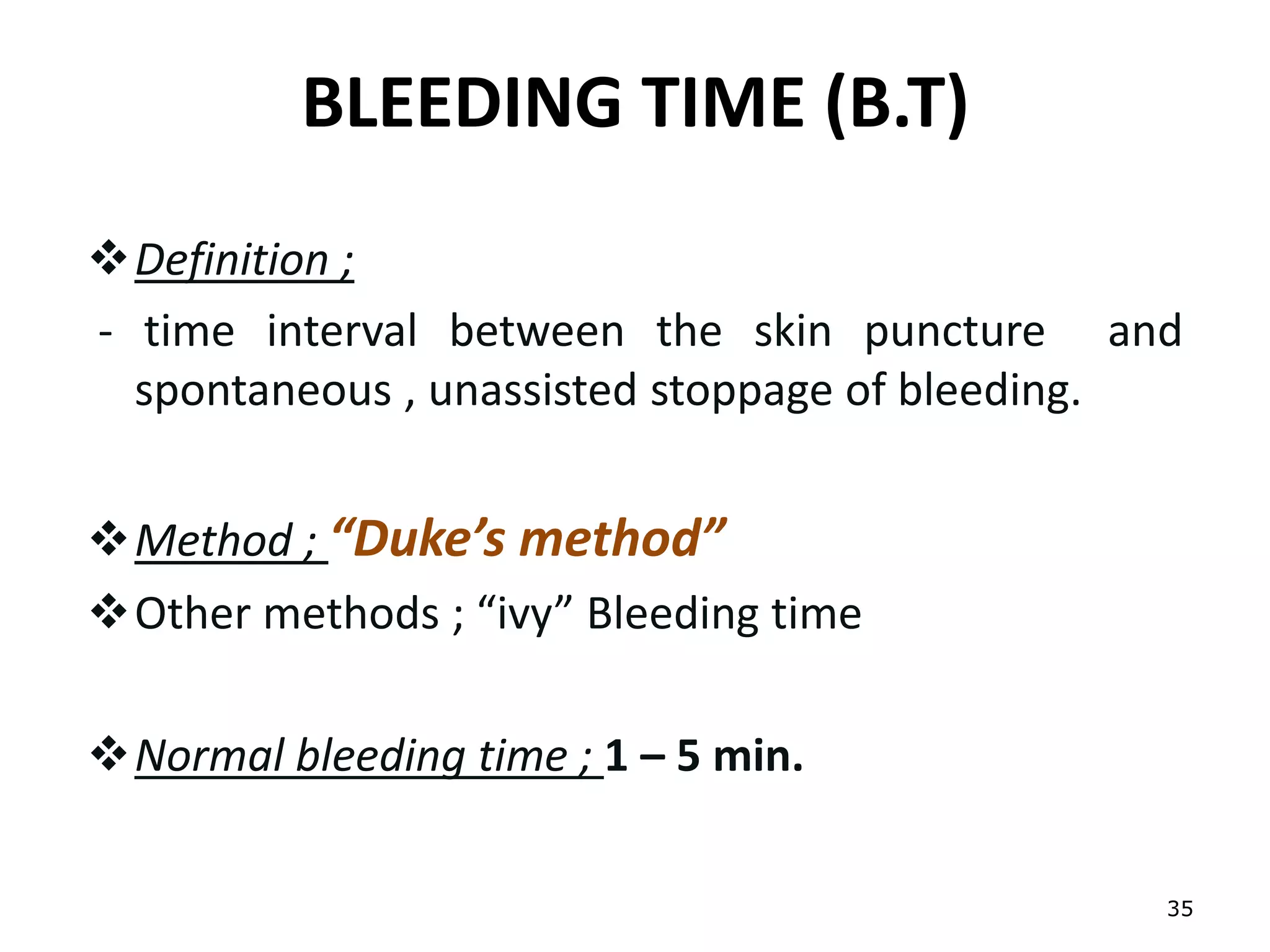

Understanding the concept of Normal Bleeding Time is crucial for anyone involved in medical diagnostics or healthcare. Bleeding time is a measure of how long it takes for bleeding to stop after a small cut is made in the skin. This test is often used to evaluate platelet function and the body's ability to form blood clots. While it is not as commonly used today due to advancements in other diagnostic tools, it remains an important concept in the field of hematology.
What is Normal Bleeding Time?
Normal Bleeding Time refers to the standard range within which bleeding should cease after a minor injury. This range can vary slightly depending on the method used to perform the test, but generally, it falls between 2 to 9 minutes. The test involves making a small incision in the skin, usually on the forearm, and timing how long it takes for the bleeding to stop. This process helps healthcare providers assess the effectiveness of platelets in forming clots and stopping bleeding.
Importance of Bleeding Time Test
The bleeding time test is particularly important in diagnosing conditions related to platelet function. Platelets are essential for blood clotting, and any abnormalities in their function can lead to excessive bleeding. Conditions such as von Willebrand disease, thrombocytopenia, and certain medications that affect platelet function can be identified through this test. By understanding the Normal Bleeding Time, healthcare providers can better diagnose and manage these conditions.
Factors Affecting Bleeding Time
Several factors can influence bleeding time, making it essential to consider these variables when interpreting test results. Some of the key factors include:
- Platelet Count: A low platelet count can prolong bleeding time.
- Platelet Function: Abnormalities in platelet function can also affect bleeding time.
- Medications: Certain medications, such as aspirin and other nonsteroidal anti-inflammatory drugs (NSAIDs), can interfere with platelet function and prolong bleeding time.
- Vascular Health: Conditions that affect blood vessels, such as hypertension or atherosclerosis, can influence bleeding time.
- Hematocrit Level: The hematocrit level, which measures the proportion of red blood cells in the blood, can also impact bleeding time.
Performing the Bleeding Time Test
The bleeding time test is typically performed using a standardized method to ensure accurate results. The most common method is the Ivy method, which involves the following steps:
- Clean the skin on the forearm with an antiseptic solution.
- Make a small incision using a sterile lancet or blade.
- Apply a filter paper to the incision to absorb the blood.
- Time how long it takes for the bleeding to stop completely.
📝 Note: The test should be performed by a trained healthcare professional to ensure accuracy and safety.
Interpreting Bleeding Time Results
Interpreting bleeding time results involves comparing the measured time to the Normal Bleeding Time range. If the bleeding time is within the normal range, it indicates that platelet function is likely normal. However, if the bleeding time is prolonged, it may suggest an underlying condition affecting platelet function or blood clotting. In such cases, further diagnostic tests may be necessary to determine the cause of the prolonged bleeding time.
Conditions Affecting Bleeding Time
Several conditions can affect bleeding time, making it an important diagnostic tool. Some of the most common conditions include:
- Von Willebrand Disease: A genetic disorder that affects the blood’s ability to clot.
- Thrombocytopenia: A condition characterized by a low platelet count.
- Platelet Function Disorders: Conditions that affect the ability of platelets to function properly.
- Medication-Induced Bleeding: Certain medications, such as aspirin and warfarin, can interfere with platelet function and prolong bleeding time.
Limitations of the Bleeding Time Test
While the bleeding time test is a valuable diagnostic tool, it does have some limitations. One of the main limitations is its variability. The results can be influenced by factors such as the depth of the incision, the pressure applied to the filter paper, and the individual’s vascular health. Additionally, the test is not as commonly used today due to the availability of more advanced diagnostic tools, such as platelet aggregation tests and genetic testing.
Alternative Diagnostic Tools
In addition to the bleeding time test, there are several other diagnostic tools available for evaluating platelet function and blood clotting. Some of the most commonly used alternatives include:
- Platelet Aggregation Tests: These tests measure the ability of platelets to clump together and form clots.
- Genetic Testing: Genetic tests can identify mutations associated with bleeding disorders, such as von Willebrand disease.
- Coagulation Tests: Tests such as the prothrombin time (PT) and activated partial thromboplastin time (aPTT) can evaluate the overall clotting ability of the blood.
Conclusion
Understanding Normal Bleeding Time is essential for diagnosing and managing conditions related to platelet function and blood clotting. While the bleeding time test has some limitations, it remains a valuable tool in the field of hematology. By considering the factors that can affect bleeding time and interpreting the results accurately, healthcare providers can better diagnose and manage conditions that affect platelet function. As diagnostic tools continue to evolve, the bleeding time test may become less commonly used, but its importance in the field of hematology cannot be overlooked.
Related Terms:
- normal bleeding time lab range
- increased bleeding time
- normal blood clotting time
- coagulation time
- bleeding time test
- bleeding time vs coagulation