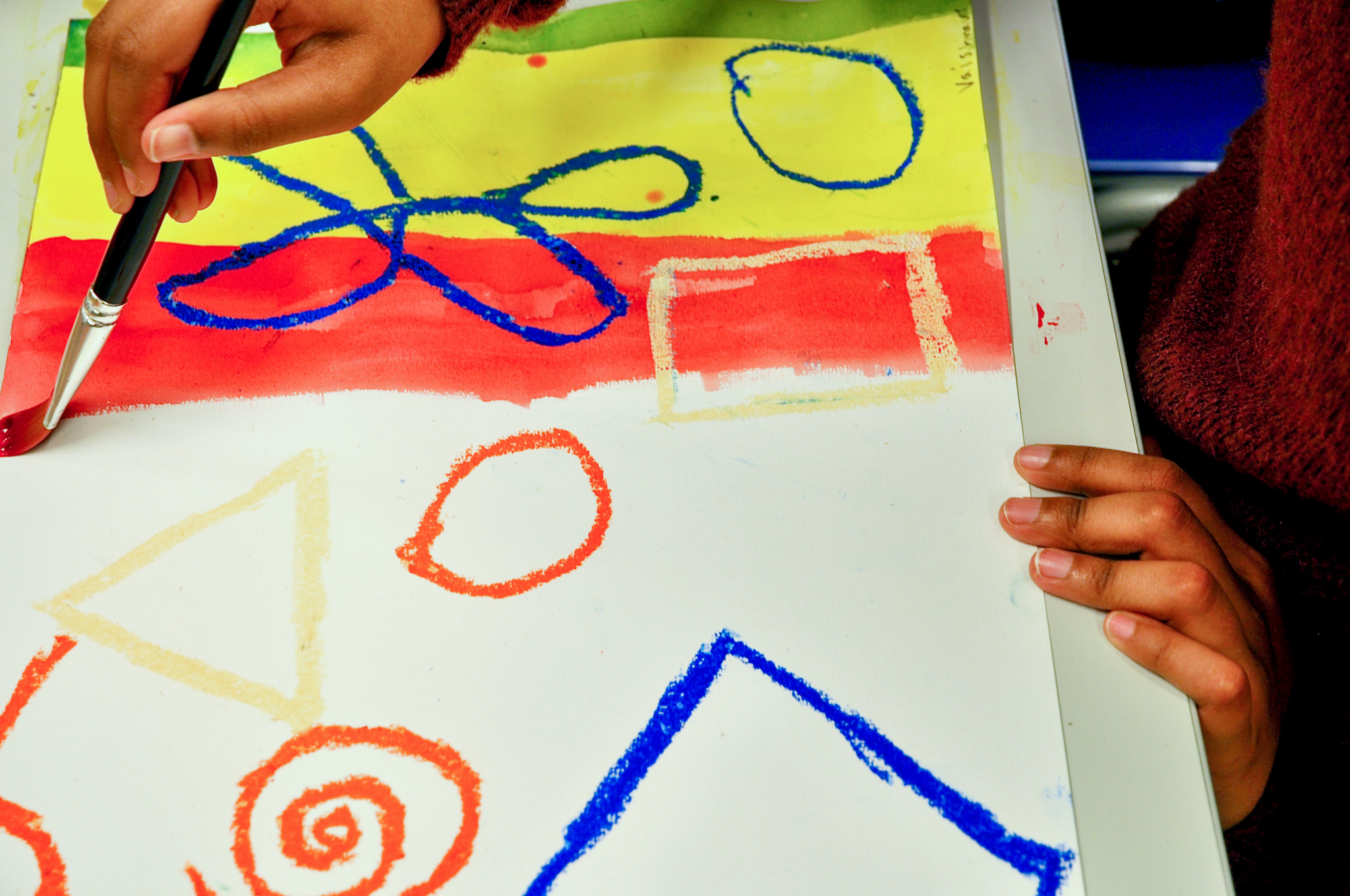

The Primary Years Program (PYP) Curriculum is a comprehensive educational framework designed to foster the holistic development of young learners. Developed by the International Baccalaureate (IB), the PYP Curriculum focuses on the educational needs of students aged 3 to 12. This curriculum is renowned for its inquiry-based approach, which encourages students to explore, question, and understand the world around them. By integrating academic rigor with a strong emphasis on social and emotional development, the PYP Curriculum aims to create well-rounded individuals who are prepared for the challenges of the 21st century.
The Core Components of the Primary Years Program Curriculum
The PYP Curriculum is structured around six transdisciplinary themes that provide a framework for learning. These themes are designed to be broad and flexible, allowing educators to tailor the curriculum to the specific needs and interests of their students. The six themes are:
- Who we are
- Where we are in place and time
- How we express ourselves
- How the world works
- How we organize ourselves
- Sharing the planet
Each theme is explored through a series of units of inquiry, which are designed to be engaging and relevant to the students. These units of inquiry encourage students to ask questions, investigate, and reflect on their learning, fostering a deep understanding of the subject matter.
The Role of Inquiry in the Primary Years Program Curriculum
The inquiry-based approach is at the heart of the PYP Curriculum. This approach encourages students to take an active role in their learning by asking questions, conducting research, and drawing conclusions. The inquiry process is structured around six key questions:
- What do we already know?
- What do we want to know?
- How will we find out?
- What did we find out?
- How can we use what we have learned?
- What have we learned?
By following this structured inquiry process, students develop critical thinking skills, problem-solving abilities, and a deeper understanding of the topics they are studying. The inquiry-based approach also fosters a love for learning, as students are encouraged to explore their interests and passions.
The Importance of Transdisciplinary Learning
Transdisciplinary learning is a key feature of the PYP Curriculum. This approach integrates different subject areas, allowing students to make connections between different fields of knowledge. For example, a unit of inquiry on "How the world works" might involve studying science, technology, and mathematics, as well as social studies and language arts. By integrating these subjects, students gain a more holistic understanding of the topic and develop a broader range of skills.
Transdisciplinary learning also encourages students to think critically and creatively, as they are required to apply knowledge from different subject areas to solve problems and answer questions. This approach prepares students for the complexities of the real world, where problems often require interdisciplinary solutions.
The Role of the Learner Profile in the Primary Years Program Curriculum
The PYP Curriculum is built around the IB Learner Profile, which outlines the attributes of a well-rounded, internationally minded individual. The Learner Profile consists of ten attributes:
| Attribute | Description |
|---|---|
| Inquirers | We nurture our curiosity, developing skills for inquiry and research. We know how to learn independently and with others. We learn with enthusiasm and sustain our love of learning throughout life. |
| Knowledgeable | We develop and use conceptual understanding, exploring knowledge across a range of disciplines. We engage with issues and ideas that have local and global significance. |
| Thinkers | We use critical and creative thinking skills to analyze and take responsible action on complex problems. We exercise initiative in making reasoned, ethical decisions. |
| Communicators | We express ourselves confidently and creatively in more than one language and in many ways. We collaborate effectively, listening carefully to the perspectives of other individuals and groups. |
| Principled | We act with integrity and honesty, with a strong sense of fairness and justice, and with respect for the dignity and rights of people everywhere. We take responsibility for our actions and their consequences. |
| Open-minded | We critically appreciate our own cultures and personal histories, as well as the values and traditions of others. We seek and evaluate a range of points of view, and we are willing to grow from the experience. |
| Caring | We show empathy, compassion, and respect. We have a commitment to service, and we act to make a positive difference in the lives of others and in the world around us. |
| Risk-takers | We approach uncertainty with forethought and determination; we work independently and cooperatively to explore new ideas and innovative strategies. We are resourceful and resilient in the face of challenges and change. |
| Balanced | We understand the importance of balancing different aspects of our lives—intellectual, physical, and emotional—to achieve well-being for ourselves and others. We recognize our interdependence with other people and with the world in which we live. |
| Reflective | We thoughtfully consider the world and our own ideas and experience. We work to understand our strengths and weaknesses in order to support our learning and personal development. |
The Learner Profile attributes are integrated into all aspects of the PYP Curriculum, providing a framework for developing the whole child. By fostering these attributes, the PYP Curriculum helps students become responsible, compassionate, and globally minded individuals.
The Benefits of the Primary Years Program Curriculum
The PYP Curriculum offers numerous benefits to students, educators, and schools. Some of the key benefits include:
- Holistic Development: The PYP Curriculum focuses on the development of the whole child, including academic, social, emotional, and physical growth.
- Inquiry-Based Learning: The inquiry-based approach encourages students to take an active role in their learning, fostering critical thinking and problem-solving skills.
- Transdisciplinary Learning: By integrating different subject areas, students gain a more holistic understanding of the topics they are studying and develop a broader range of skills.
- Global Mindedness: The PYP Curriculum promotes an understanding of different cultures and perspectives, preparing students to be globally minded citizens.
- Flexibility and Adaptability: The curriculum is designed to be flexible and adaptable, allowing educators to tailor the curriculum to the specific needs and interests of their students.
These benefits make the PYP Curriculum a valuable educational framework for schools around the world.
📚 Note: The PYP Curriculum is designed to be flexible and adaptable, allowing educators to tailor the curriculum to the specific needs and interests of their students. This flexibility ensures that the curriculum remains relevant and engaging for all students.
Implementing the Primary Years Program Curriculum
Implementing the PYP Curriculum involves several key steps. Schools must first undergo a rigorous authorization process to ensure they meet the standards and requirements of the IB. Once authorized, schools can begin implementing the curriculum. This process typically involves:
- Training for educators on the PYP Curriculum and inquiry-based learning.
- Developing a school-wide action plan for implementing the curriculum.
- Creating units of inquiry that align with the six transdisciplinary themes.
- Integrating the Learner Profile attributes into all aspects of the curriculum.
- Assessing student learning through a variety of methods, including formative and summative assessments.
By following these steps, schools can successfully implement the PYP Curriculum and provide a high-quality education for their students.
📚 Note: The implementation of the PYP Curriculum requires a commitment from educators, administrators, and the school community. Successful implementation involves ongoing professional development, collaboration, and a shared vision for education.
Assessment in the Primary Years Program Curriculum
Assessment in the PYP Curriculum is designed to support student learning and provide meaningful feedback to both students and educators. The curriculum uses a variety of assessment methods, including formative and summative assessments, to evaluate student progress. Formative assessments are used to monitor student learning and provide ongoing feedback, while summative assessments are used to evaluate student achievement at the end of a unit or course.
Assessment in the PYP Curriculum is also aligned with the Learner Profile attributes, encouraging students to reflect on their learning and develop a growth mindset. By focusing on the process of learning rather than just the outcome, the PYP Curriculum helps students become lifelong learners who are confident and capable of taking on new challenges.
Some of the key assessment methods used in the PYP Curriculum include:
- Observations and anecdotal records
- Student self-assessments and peer assessments
- Teacher assessments and rubrics
- Portfolios and exhibitions
These assessment methods provide a comprehensive view of student learning and help educators tailor instruction to meet the needs of individual students.
📚 Note: Assessment in the PYP Curriculum is an ongoing process that involves both students and educators. By providing meaningful feedback and encouraging reflection, the curriculum helps students develop a growth mindset and become lifelong learners.
Challenges and Considerations in the Primary Years Program Curriculum
While the PYP Curriculum offers numerous benefits, there are also challenges and considerations that schools must address. Some of the key challenges include:
- Teacher Training: Implementing the PYP Curriculum requires significant training and professional development for educators. Schools must invest in ongoing training to ensure that teachers are well-versed in the curriculum and inquiry-based learning.
- Resource Allocation: The PYP Curriculum may require additional resources, such as materials, technology, and time, to implement effectively. Schools must allocate resources wisely to support the curriculum.
- Parental Involvement: Engaging parents in the PYP Curriculum is essential for its success. Schools must communicate the benefits of the curriculum to parents and involve them in the learning process.
- Cultural Adaptation: The PYP Curriculum is designed to be globally relevant, but schools must also consider the cultural context of their students. Adaptations may be necessary to ensure that the curriculum is meaningful and relevant to all students.
By addressing these challenges and considerations, schools can successfully implement the PYP Curriculum and provide a high-quality education for their students.
📚 Note: The successful implementation of the PYP Curriculum requires a collaborative effort from educators, administrators, parents, and the school community. By working together, schools can overcome challenges and create a supportive learning environment for all students.
In conclusion, the Primary Years Program Curriculum is a comprehensive and innovative educational framework that fosters the holistic development of young learners. By integrating academic rigor with a strong emphasis on social and emotional development, the PYP Curriculum prepares students for the challenges of the 21st century. Through its inquiry-based approach, transdisciplinary learning, and focus on the Learner Profile attributes, the PYP Curriculum helps students become well-rounded, globally minded individuals who are confident and capable of taking on new challenges. The benefits of the PYP Curriculum are numerous, and with careful implementation and consideration of challenges, schools can provide a high-quality education that meets the needs of all students.
Related Terms:
- international primary education curriculum
- ib primary year program pyp
- pyp curriculum framework
- curriculum framework for international primary
- primary year pyp
- ib primary year program