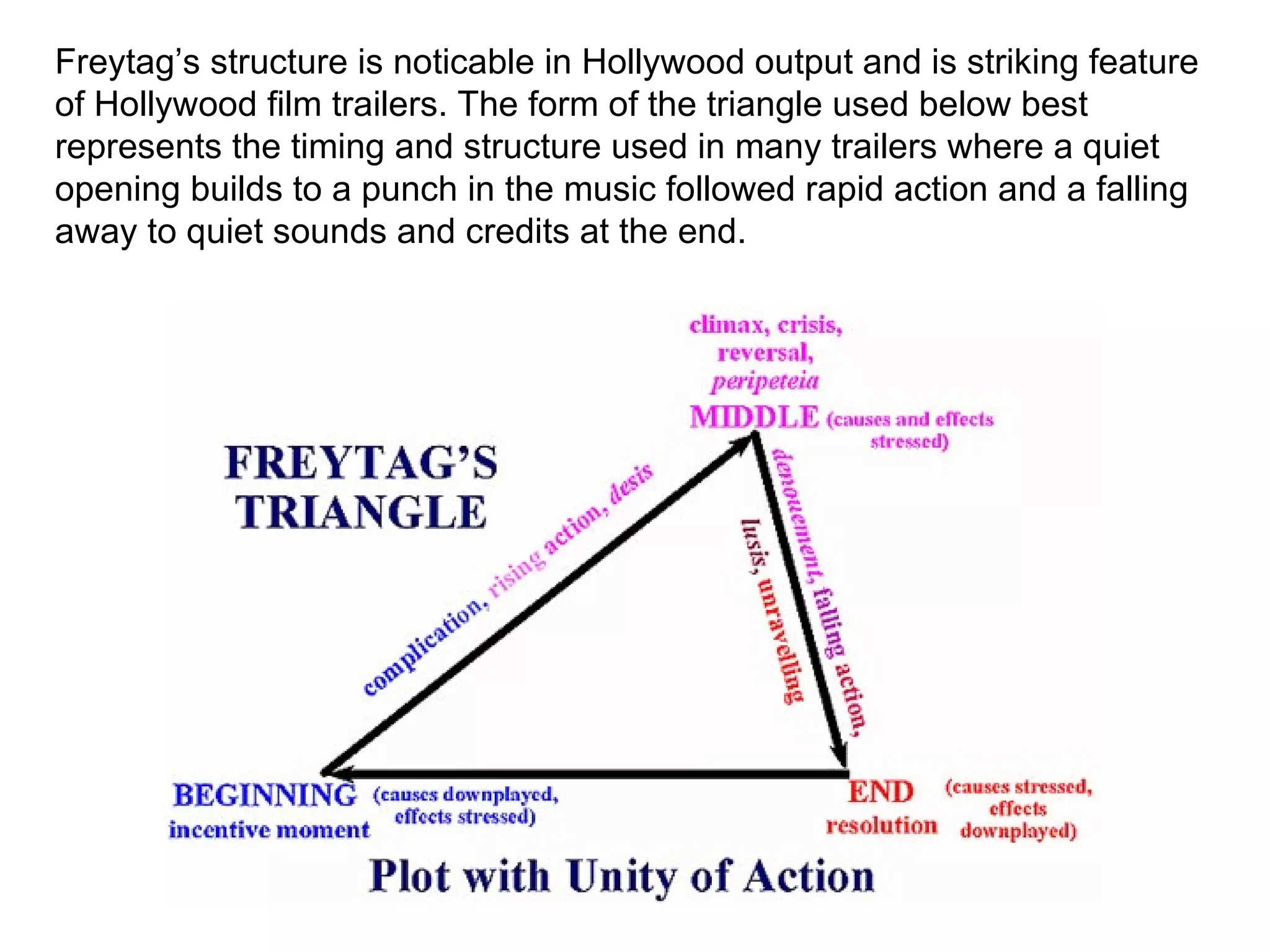

Storytelling is an art form that has captivated audiences for centuries. Whether through oral traditions, written narratives, or modern multimedia, the ability to craft a compelling story is a skill that transcends time and culture. One of the most influential frameworks for understanding the structure of a narrative is the Pyramid of Freytag. This model, developed by German dramatist Gustav Freytag, provides a visual representation of the dramatic structure of a story, helping writers and storytellers create engaging and cohesive narratives.
Understanding the Pyramid of Freytag
The Pyramid of Freytag is a graphical representation of dramatic structure, consisting of five key elements: exposition, rising action, climax, falling action, and resolution. Each of these elements plays a crucial role in shaping the narrative and keeping the audience engaged. Let's delve into each component to understand how they contribute to the overall story.
Exposition
The exposition is the opening section of the story where the setting, characters, and initial situation are introduced. This part of the narrative sets the stage for the events to come and provides the necessary background information for the audience to understand the context. A well-crafted exposition should be engaging and intriguing, drawing the audience in and making them eager to learn more about the characters and their world.
Rising Action
Following the exposition, the rising action begins. This section of the story is characterized by a series of events that build tension and conflict. The rising action should gradually increase the stakes, making the audience more invested in the outcome. This part of the narrative often includes obstacles, challenges, and complications that the protagonist must overcome. The rising action is crucial for maintaining the audience's interest and keeping them on the edge of their seats.
Climax
The climax is the turning point of the story, where the tension reaches its peak. This is the most intense and dramatic moment, often involving a major conflict or confrontation. The climax is the culmination of the rising action and sets the stage for the resolution. It is the point at which the protagonist faces their greatest challenge and must make a decisive choice or take a significant action. The climax should be emotionally charged and memorable, leaving a lasting impact on the audience.
Falling Action
After the climax, the falling action begins. This section of the story involves the aftermath of the climax, where the consequences of the protagonist's actions are revealed. The falling action should provide a sense of resolution and closure, tying up loose ends and addressing any remaining conflicts. This part of the narrative should be satisfying and fulfilling, allowing the audience to reflect on the events that have unfolded and the lessons learned.
Resolution
The resolution is the final section of the story, where all conflicts are resolved, and the narrative comes to a close. This part of the narrative should provide a sense of completion and finality, leaving the audience with a clear understanding of the outcome. The resolution should be satisfying and coherent, ensuring that the audience feels that the story has come to a natural and logical conclusion.
Applying the Pyramid of Freytag to Your Story
Understanding the Pyramid of Freytag is one thing, but applying it to your own storytelling is another. Here are some steps to help you incorporate this framework into your narrative:
Step 1: Develop Your Characters
Before you begin writing, it's essential to develop your characters thoroughly. Understand their motivations, strengths, weaknesses, and backstories. This will help you create a compelling exposition and ensure that your characters are well-rounded and relatable. Remember, the audience should be able to connect with your characters on an emotional level.
Step 2: Plan Your Plot
Once you have your characters in place, it's time to plan your plot. Use the Pyramid of Freytag as a guide to structure your narrative. Identify the key events that will make up the rising action, climax, falling action, and resolution. Ensure that each section flows logically and builds on the previous one. A well-planned plot will keep your audience engaged and invested in the story.
Step 3: Build Tension
Tension is a crucial element of any narrative. Use the rising action to build tension gradually, introducing obstacles and challenges that the protagonist must overcome. This will keep the audience on the edge of their seats and make the climax more impactful. Remember, the tension should be sustained throughout the story, with each event leading to the next in a logical and engaging manner.
Step 4: Craft a Memorable Climax
The climax is the heart of your story, so it's essential to craft it carefully. Ensure that it is emotionally charged and memorable, leaving a lasting impact on the audience. The climax should be the culmination of the rising action and set the stage for the resolution. It should be a turning point that changes the course of the story and reveals the true nature of the protagonist.
Step 5: Provide a Satisfying Resolution
The resolution should provide a sense of closure and finality. Ensure that all conflicts are resolved, and the narrative comes to a natural and logical conclusion. The resolution should be satisfying and fulfilling, allowing the audience to reflect on the events that have unfolded and the lessons learned. A well-crafted resolution will leave the audience with a positive impression of the story and its characters.
📝 Note: While the Pyramid of Freytag is a valuable tool for structuring your narrative, it's important to remember that storytelling is an art form. Feel free to experiment with the framework and adapt it to suit your unique style and vision.
Examples of the Pyramid of Freytag in Action
To better understand how the Pyramid of Freytag can be applied, let's look at some examples from popular stories:
Shakespeare's "Romeo and Juliet"
In Shakespeare's classic tragedy, the Pyramid of Freytag is evident in the structure of the narrative. The exposition introduces the feuding families and the young lovers, Romeo and Juliet. The rising action involves the secret marriage, the brawl, and the banishment of Romeo. The climax occurs when Juliet takes the potion to fake her death, leading to Romeo's suicide. The falling action includes Juliet's discovery of Romeo's death and her subsequent suicide. The resolution provides a sense of closure as the families reconcile over the tragic deaths of their children.
J.K. Rowling's "Harry Potter and the Philosopher's Stone"
In the first book of the Harry Potter series, the Pyramid of Freytag is used to structure the narrative effectively. The exposition introduces Harry, his mundane life with the Dursleys, and his magical heritage. The rising action involves Harry's journey to Hogwarts, his discovery of the Philosopher's Stone, and the challenges he faces along the way. The climax occurs when Harry confronts Voldemort in the final chamber, leading to the destruction of the Stone. The falling action includes the aftermath of the confrontation and the return to the Muggle world. The resolution provides a sense of closure as Harry returns to Hogwarts for his second year.
Common Mistakes to Avoid
While the Pyramid of Freytag is a powerful tool for structuring your narrative, there are some common mistakes to avoid:
- Rushing the Exposition: Don't rush through the exposition. Take the time to introduce your characters and setting thoroughly. A well-crafted exposition sets the stage for the rest of the story and ensures that the audience is engaged from the start.
- Inconsistent Tension: Ensure that the tension builds gradually throughout the rising action. Inconsistent tension can disrupt the flow of the narrative and make the climax less impactful.
- Weak Climax: The climax should be the most intense and dramatic moment of the story. A weak climax can leave the audience feeling unsatisfied and unfulfilled.
- Unsatisfying Resolution: The resolution should provide a sense of closure and finality. An unsatisfying resolution can leave the audience feeling cheated and unfulfilled.
📝 Note: Avoid these common mistakes to ensure that your narrative is engaging, cohesive, and satisfying for the audience.
Adapting the Pyramid of Freytag for Different Genres
The Pyramid of Freytag is a versatile framework that can be adapted for different genres and storytelling mediums. Whether you're writing a novel, a screenplay, or a short story, the principles of the Pyramid of Freytag can help you create a compelling narrative. Here are some tips for adapting the framework to different genres:
Mystery and Thriller
In mystery and thriller genres, the Pyramid of Freytag can be used to build suspense and keep the audience guessing. The exposition should introduce the mystery or threat, while the rising action involves the protagonist's investigation and the uncovering of clues. The climax should be a dramatic revelation or confrontation, and the resolution should provide a satisfying explanation of the mystery.
Romance
In romance genres, the Pyramid of Freytag can be used to build emotional tension and develop the relationship between the protagonists. The exposition should introduce the main characters and their initial connection, while the rising action involves the challenges and obstacles they face. The climax should be a pivotal moment in their relationship, such as a confession of love or a major conflict. The resolution should provide a sense of closure and happiness for the couple.
Science Fiction and Fantasy
In science fiction and fantasy genres, the Pyramid of Freytag can be used to create a rich and immersive world. The exposition should introduce the unique setting and characters, while the rising action involves the protagonist's journey and the challenges they face. The climax should be a dramatic confrontation or revelation, and the resolution should provide a sense of closure and fulfillment.
The Importance of Character Development
While the Pyramid of Freytag provides a valuable framework for structuring your narrative, it's essential to remember that character development is crucial for creating a compelling story. Well-developed characters with clear motivations, strengths, and weaknesses will make your narrative more engaging and relatable. Here are some tips for developing your characters:
- Backstory: Create a detailed backstory for each character, including their past experiences, relationships, and motivations. This will help you understand their actions and decisions throughout the story.
- Arc: Ensure that each character has an arc, or a journey of growth and change. This will make them more dynamic and interesting to the audience.
- Conflict: Use conflict to reveal your characters' true nature and motivations. Conflict can take many forms, including internal struggles, external challenges, and interpersonal conflicts.
- Relationships: Develop meaningful relationships between your characters. These relationships will add depth and complexity to your narrative and make your characters more relatable.
📝 Note: Character development is a crucial aspect of storytelling. Take the time to develop your characters thoroughly to ensure that your narrative is engaging and relatable.
The Role of Dialogue in Storytelling
Dialogue is a powerful tool for advancing the plot, revealing character motivations, and creating a sense of realism in your narrative. Here are some tips for crafting effective dialogue:
- Purpose: Ensure that each piece of dialogue serves a purpose, whether it's advancing the plot, revealing character motivations, or providing exposition.
- Voice: Give each character a unique voice that reflects their personality, background, and motivations. This will make your dialogue more engaging and believable.
- Subtext: Use subtext to add depth and complexity to your dialogue. Subtext involves conveying meaning beneath the surface of the words, adding layers of emotion and nuance.
- Pacing: Use dialogue to control the pacing of your narrative. Short, snappy exchanges can create a sense of urgency, while longer, more contemplative conversations can slow the pace and allow for deeper reflection.
📝 Note: Dialogue is a crucial aspect of storytelling. Use it effectively to create a sense of realism, advance the plot, and reveal character motivations.
The Art of Showing vs. Telling
One of the most important principles of storytelling is the concept of "showing vs. telling." Instead of simply stating what happens, show the events through the characters' actions, dialogue, and thoughts. This will make your narrative more engaging and immersive. Here are some tips for mastering the art of showing vs. telling:
- Actions: Use actions to convey emotions and motivations. Instead of saying "she was angry," show her slamming the door or clenching her fists.
- Dialogue: Use dialogue to reveal character motivations and emotions. Instead of saying "he was nervous," show him stumbling over his words or fidgeting with his hands.
- Sensory Details: Use sensory details to create a vivid and immersive world. Describe the sights, sounds, smells, tastes, and textures of the environment to engage the reader's senses.
- Internal Thoughts: Use internal thoughts to reveal the character's inner world. Instead of saying "she was confused," show her thoughts racing and struggling to make sense of the situation.
📝 Note: Mastering the art of showing vs. telling is essential for creating an engaging and immersive narrative. Use actions, dialogue, sensory details, and internal thoughts to convey emotions and motivations.
The Impact of Setting on Storytelling
The setting of your story plays a crucial role in shaping the narrative and creating a sense of atmosphere. A well-crafted setting can enhance the emotional impact of the story and make the world feel more real and immersive. Here are some tips for creating a compelling setting:
- Details: Include vivid and specific details about the setting to create a sense of realism. Describe the landscape, architecture, weather, and other environmental factors.
- Atmosphere: Use sensory details to create a sense of atmosphere. Describe the sights, sounds, smells, tastes, and textures of the environment to engage the reader's senses.
- Symbolism: Use symbolism to add depth and meaning to your setting. Symbols can represent abstract concepts, emotions, or themes, adding layers of complexity to your narrative.
- Character Interaction: Show how the characters interact with the setting. This will help to ground the narrative in the physical world and make the setting feel more real and immersive.
📝 Note: The setting of your story is a crucial aspect of storytelling. Use vivid details, sensory descriptions, symbolism, and character interaction to create a compelling and immersive world.
The Power of Themes in Storytelling
Themes are the underlying ideas or messages that your story conveys. They provide a deeper layer of meaning and resonance, making your narrative more impactful and memorable. Here are some tips for incorporating themes into your storytelling:
- Identify Your Themes: Identify the themes you want to explore in your story. These can be universal themes like love, loss, redemption, or more specific themes related to your narrative.
- Integrate Themes Naturally: Integrate your themes naturally into the narrative. Use characters, plot events, and dialogue to explore and develop your themes.
- Symbolism: Use symbolism to reinforce your themes. Symbols can represent abstract concepts, emotions, or themes, adding layers of complexity to your narrative.
- Character Arcs: Use character arcs to explore your themes. Show how your characters grow and change in response to the events of the story, and how these changes reflect your themes.
📝 Note: Themes are a powerful aspect of storytelling. Use them to add depth and meaning to your narrative, and integrate them naturally through characters, plot events, and dialogue.
The Role of Conflict in Storytelling
Conflict is the driving force behind any narrative. It creates tension, drives the plot forward, and reveals the true nature of the characters. Here are some tips for crafting effective conflict:
- Types of Conflict: Identify the types of conflict in your story. These can include internal conflicts (within a character), external conflicts (between characters or forces), and interpersonal conflicts (between characters).
- Stakes: Ensure that the stakes are high. The conflict should have significant consequences for the characters, making the outcome more meaningful and impactful.
- Escalation: Gradually escalate the conflict to build tension and keep the audience engaged. Each event should lead to the next in a logical and engaging manner.
- Resolution: Provide a satisfying resolution to the conflict. Ensure that the outcome is logical and coherent, and that it provides a sense of closure and fulfillment.
📝 Note: Conflict is a crucial aspect of storytelling. Use it to create tension, drive the plot forward, and reveal the true nature of your characters.
The Art of Pacing in Storytelling
Pacing refers to the speed at which the narrative unfolds. Effective pacing keeps the audience engaged and ensures that the story flows smoothly. Here are some tips for mastering the art of pacing:
- Balance: Balance fast-paced and slow-paced sections to create a dynamic narrative. Fast-paced sections can create a sense of urgency, while slow-paced sections allow for deeper reflection and character development.
- Transitions: Use transitions to smoothly move from one scene to the next. Transitions can include changes in setting, time, or perspective, and should be handled seamlessly to maintain the flow of the narrative.
- Cliffhangers: Use cliffhangers to keep the audience on the edge of their seats. Cliffhangers involve ending a scene or chapter on a moment of high tension or suspense, making the audience eager to find out what happens next.
- Breaks: Provide breaks to allow the audience to catch their breath. Breaks can include moments of reflection, character development, or exposition, and should be used sparingly to maintain the overall pacing of the narrative.
📝 Note: Pacing is a crucial aspect of storytelling. Use it to create a dynamic narrative that keeps the audience engaged and ensures that the story flows smoothly.
The Importance of Revision and Editing
Revision and editing are essential steps in the storytelling process. They
Related Terms:
- freytag's pyramid
- freytag pyramid template
- freytag pyramid pdf
- freytag pyramid examples
- freytag pyramid diagram
- freytag pyramid story examples