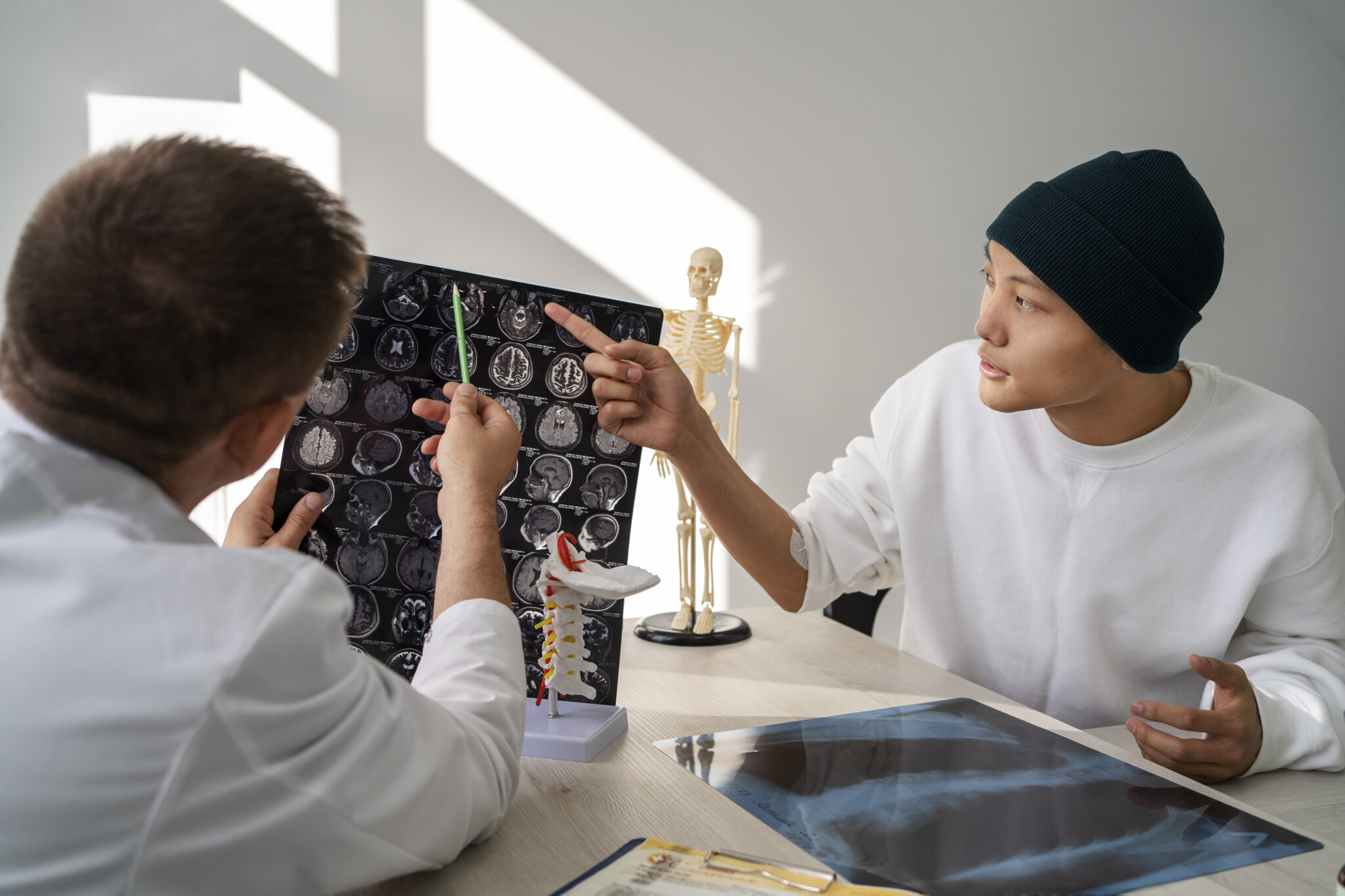

Understanding the complexities of neurological conditions such as *stroke and seizure* is crucial for both healthcare professionals and the general public. These conditions can significantly impact an individual's quality of life, and early recognition and appropriate management are essential for better outcomes. This post delves into the intricacies of stroke and seizure, their causes, symptoms, and management strategies.
Understanding Stroke
A stroke occurs when blood flow to a part of the brain is interrupted or reduced, preventing brain tissue from getting oxygen and nutrients. This can lead to brain cells dying within minutes. There are two main types of stroke: ischemic and hemorrhagic.
Types of Stroke
Ischemic Stroke: This is the most common type, accounting for about 87% of all strokes. It occurs when a blood vessel supplying the brain is blocked, usually by a blood clot.
Hemorrhagic Stroke: This type occurs when a blood vessel in the brain bursts, leading to bleeding into or around the brain. It is less common but often more severe.
Symptoms of Stroke
Recognizing the symptoms of a stroke is crucial for prompt intervention. The acronym FAST is often used to remember the key signs:
- Face drooping: One side of the face may droop or feel numb.
- Arm weakness: One arm may be weak or numb.
- Speech difficulty: Speech may be slurred or difficult to understand.
- Time to call emergency services: If any of these symptoms are present, it is essential to seek immediate medical attention.
Risk Factors for Stroke
Several factors can increase the risk of stroke, including:
- High blood pressure
- High cholesterol
- Smoking
- Diabetes
- Obesity
- Physical inactivity
- Family history of stroke
Management and Treatment
Treatment for stroke depends on the type and severity. For ischemic strokes, medications such as tissue plasminogen activator (tPA) can dissolve blood clots. For hemorrhagic strokes, surgery may be required to stop the bleeding and repair the damaged blood vessel.
Rehabilitation is a critical part of stroke recovery. It may include physical therapy, occupational therapy, and speech therapy to help regain lost functions and improve quality of life.
📝 Note: Early intervention is key to minimizing the long-term effects of a stroke. If you suspect someone is having a stroke, act FAST and seek immediate medical attention.
Understanding Seizures
A seizure is a sudden, uncontrolled electrical disturbance in the brain. It can cause changes in behavior, movements, feelings, and levels of consciousness. Seizures can be caused by various factors, including epilepsy, brain injuries, infections, and metabolic imbalances.
Types of Seizures
Seizures are classified into two main categories: generalized and focal.
Generalized Seizures: These seizures involve both sides of the brain and can cause loss of consciousness. Examples include:
- Tonic-clonic seizures (formerly known as grand mal seizures)
- Absence seizures (formerly known as petit mal seizures)
- Atonic seizures
- Myoclonic seizures
Focal Seizures: These seizures begin in one part of the brain and can cause localized symptoms. Examples include:
- Simple focal seizures
- Complex focal seizures
Symptoms of Seizures
The symptoms of a seizure can vary widely depending on the type and cause. Common symptoms include:
- Temporary confusion
- Uncontrollable jerking movements of the arms and legs
- Loss of consciousness or awareness
- Cognitive or emotional symptoms, such as fear, anxiety, or déjà vu
Risk Factors for Seizures
Several factors can increase the risk of seizures, including:
- Epilepsy
- Brain injuries or tumors
- Infections, such as meningitis or encephalitis
- Metabolic imbalances, such as low blood sugar or electrolyte imbalances
- Withdrawal from alcohol or certain medications
Management and Treatment
Treatment for seizures depends on the underlying cause and type. Antiepileptic drugs (AEDs) are commonly used to control seizures. In some cases, surgery may be recommended to remove the part of the brain causing the seizures.
Lifestyle modifications, such as getting enough sleep, managing stress, and avoiding triggers, can also help reduce the frequency and severity of seizures.
📝 Note: If someone is having a seizure, stay calm and follow these steps: protect the person from injury, time the seizure, and call for medical help if the seizure lasts longer than five minutes or if the person has multiple seizures in a row.
The Connection Between Stroke and Seizure
There is a significant connection between stroke and seizure. A stroke can increase the risk of seizures, and seizures can sometimes be a symptom of a stroke. Understanding this connection is important for both diagnosis and treatment.
Stroke as a Cause of Seizures
Seizures can occur immediately after a stroke or develop later. The risk of seizures is higher in people who have had a hemorrhagic stroke or a stroke that causes significant brain damage. Seizures after a stroke can be focal or generalized and may require antiepileptic medication to control.
Seizures as a Symptom of Stroke
In some cases, seizures can be the first symptom of a stroke. This is more common in hemorrhagic strokes, where the bleeding in the brain can cause sudden and severe seizures. Recognizing seizures as a potential symptom of stroke is crucial for prompt diagnosis and treatment.
Prevention Strategies
Preventing stroke and seizure involves managing risk factors and adopting a healthy lifestyle. Here are some strategies to reduce the risk:
- Maintain a Healthy Diet: Eat a balanced diet rich in fruits, vegetables, whole grains, and lean proteins.
- Regular Exercise: Aim for at least 150 minutes of moderate-intensity or 75 minutes of vigorous-intensity aerobic activity per week.
- Manage Chronic Conditions: Keep conditions like high blood pressure, diabetes, and high cholesterol under control.
- Avoid Smoking and Excessive Alcohol: Quit smoking and limit alcohol consumption.
- Get Regular Check-ups: Regular medical check-ups can help detect and manage risk factors early.
Living with Stroke and Seizure
Living with stroke and seizure can be challenging, but with the right support and management strategies, individuals can lead fulfilling lives. Here are some tips for coping:
- Education and Awareness: Learn about your condition and its triggers to better manage symptoms.
- Support Groups: Join support groups to connect with others who share similar experiences.
- Therapy and Rehabilitation: Engage in physical, occupational, and speech therapy to improve functional abilities.
- Medication Management: Take medications as prescribed and communicate with your healthcare provider about any side effects or concerns.
- Lifestyle Adjustments: Make necessary lifestyle changes to reduce the risk of future strokes or seizures.
Living with stroke and seizure requires a multidisciplinary approach involving healthcare providers, family, and friends. With the right support and management, individuals can achieve a better quality of life.
📝 Note: Always consult with a healthcare provider for personalized advice and treatment plans.
Stroke and seizure are complex neurological conditions that require prompt recognition and appropriate management. Understanding the types, symptoms, and risk factors of these conditions is essential for early intervention and better outcomes. By adopting preventive strategies and seeking timely medical care, individuals can reduce their risk and improve their quality of life. The connection between stroke and seizure highlights the importance of comprehensive care and support for those affected by these conditions.
Related Terms:
- can a stroke cause seizure
- seizure and stroke connection
- can a stroke cause epilepsy
- stroke and seizure risk
- can cva cause seizure
- is stroke and seizure same