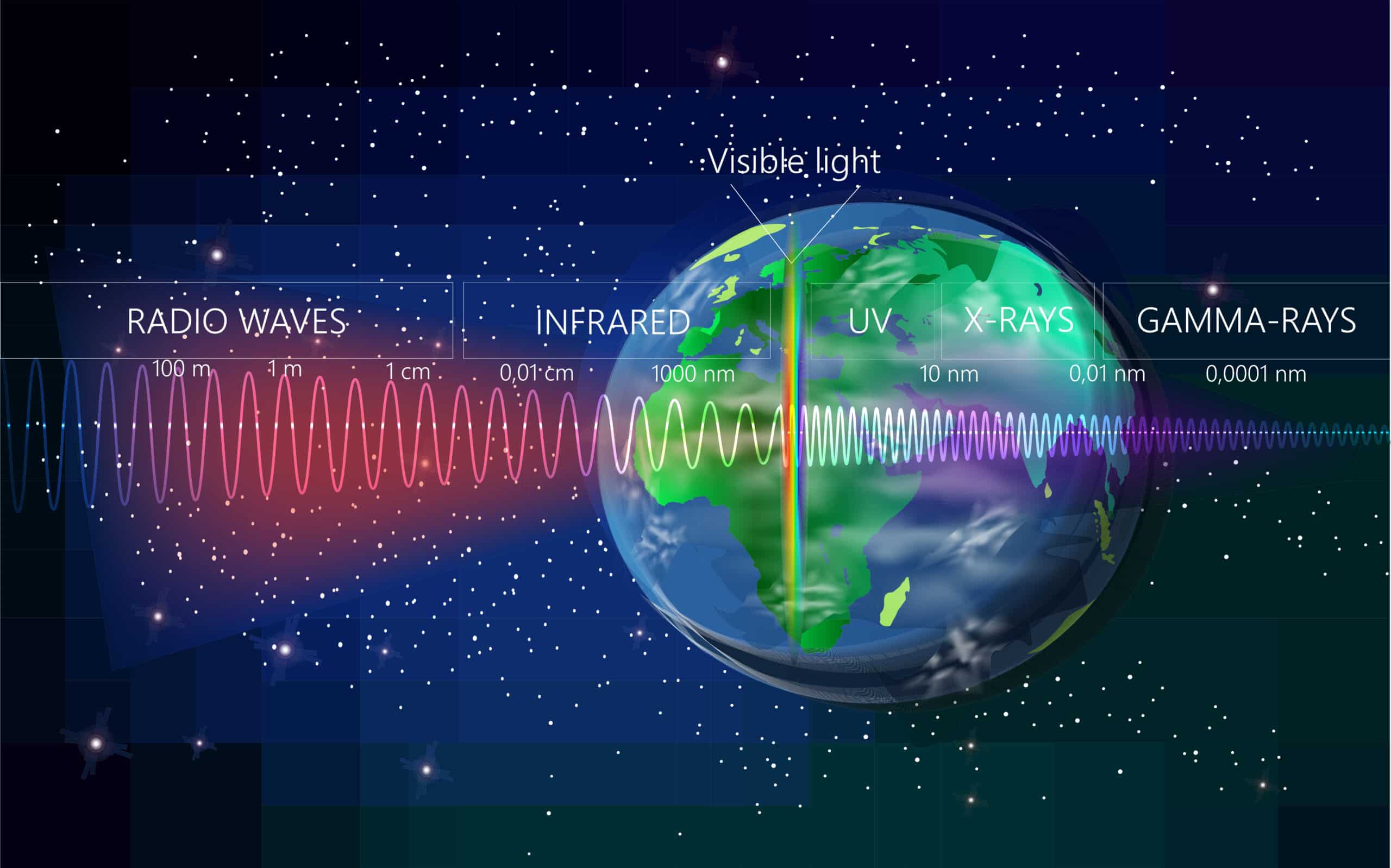

Gamma rays are a type of electromagnetic radiation that holds significant importance in various fields, from astrophysics to medical treatments. Understanding what gamma rays are, their properties, and their applications can provide a comprehensive view of their role in science and technology.
What Are Gamma Rays?
Gamma rays are a form of electromagnetic radiation, much like X-rays, but with even higher energy and shorter wavelengths. They are produced by radioactive atoms and in nuclear explosions. Gamma rays are part of the electromagnetic spectrum, which includes radio waves, microwaves, infrared, visible light, ultraviolet, X-rays, and gamma rays, each with different wavelengths and energies.
Properties of Gamma Rays
Gamma rays have several unique properties that set them apart from other types of electromagnetic radiation:
- High Energy: Gamma rays have the highest energy and shortest wavelengths in the electromagnetic spectrum.
- Penetrating Power: Due to their high energy, gamma rays can penetrate through most materials, making them useful in medical imaging and industrial applications.
- Ionizing Radiation: Gamma rays are a form of ionizing radiation, meaning they can knock electrons out of atoms, creating ions. This property makes them useful in sterilization processes but also hazardous to living tissue.
- No Charge: Gamma rays are electrically neutral, unlike alpha and beta particles, which carry charges.
Sources of Gamma Rays
Gamma rays can originate from various sources, both natural and artificial. Some of the primary sources include:
- Radioactive Decay: Many radioactive isotopes emit gamma rays as they decay. For example, cobalt-60 and cesium-137 are commonly used in medical and industrial applications.
- Nuclear Reactions: Gamma rays are produced during nuclear fission and fusion reactions, such as those occurring in nuclear power plants and stars.
- Cosmic Sources: Gamma rays from space, known as cosmic gamma rays, are produced by high-energy events like supernovae, pulsars, and black holes.
- Medical and Industrial Applications: Gamma rays are used in various medical treatments, such as radiation therapy for cancer, and in industrial processes like sterilization and non-destructive testing.
Applications of Gamma Rays
Gamma rays have a wide range of applications across different fields due to their unique properties. Some of the most significant applications include:
Medical Applications
Gamma rays are extensively used in medical treatments and diagnostics. Some key applications are:
- Radiation Therapy: Gamma rays are used to treat cancer by targeting and destroying cancerous cells. This process is known as radiation therapy or radiotherapy.
- Sterilization of Medical Equipment: Gamma rays are used to sterilize medical equipment and supplies, ensuring they are free from harmful microorganisms.
- Diagnostic Imaging: Gamma rays are used in imaging techniques like Positron Emission Tomography (PET) scans to diagnose and monitor various medical conditions.
Industrial Applications
In the industrial sector, gamma rays are used for various purposes, including:
- Non-Destructive Testing: Gamma rays are used to inspect materials and structures for defects without causing damage. This is crucial in industries like aerospace and construction.
- Sterilization of Food and Pharmaceuticals: Gamma rays are used to sterilize food and pharmaceutical products, extending their shelf life and ensuring safety.
- Radiography: Gamma rays are used in industrial radiography to create images of the internal structure of objects, helping to detect flaws and ensure quality control.
Scientific Research
Gamma rays play a crucial role in scientific research, particularly in astrophysics and nuclear physics. Some key areas of research include:
- Astrophysics: Gamma-ray astronomy involves studying gamma rays from space to understand high-energy phenomena like supernovae, black holes, and gamma-ray bursts.
- Nuclear Physics: Gamma rays are used to study the structure and behavior of atomic nuclei, providing insights into nuclear reactions and decay processes.
- Medical Research: Gamma rays are used in research to develop new treatments and diagnostic tools for various medical conditions.
Safety and Precautions
While gamma rays have numerous beneficial applications, they also pose significant health risks due to their ionizing nature. Proper safety measures are essential to protect individuals from exposure to gamma rays. Some key precautions include:
- Shielding: Using materials like lead, concrete, and water to shield against gamma rays can reduce exposure and protect individuals.
- Distance: Increasing the distance from the source of gamma rays can significantly reduce exposure, as the intensity of gamma rays decreases with distance.
- Time: Limiting the time of exposure to gamma rays can minimize the risk of radiation damage.
- Personal Protective Equipment (PPE): Wearing appropriate PPE, such as lead aprons and gloves, can provide additional protection against gamma rays.
🛑 Note: Always follow safety guidelines and regulations when working with gamma rays to minimize the risk of exposure and ensure the safety of individuals.
Future of Gamma Ray Research
The study of gamma rays continues to evolve, with ongoing research and technological advancements opening new avenues for exploration. Some exciting areas of future research include:
- Advanced Imaging Techniques: Developing more sophisticated imaging techniques using gamma rays to improve medical diagnostics and treatment.
- Space Exploration: Exploring gamma-ray sources in space to gain a deeper understanding of the universe and its high-energy phenomena.
- Nuclear Medicine: Advancing nuclear medicine techniques to enhance the detection and treatment of diseases using gamma rays.
Gamma rays are a fascinating and powerful form of electromagnetic radiation with a wide range of applications in medicine, industry, and science. Understanding what gamma rays are, their properties, and their uses can help us harness their potential while ensuring safety and minimizing risks. As research continues, the future of gamma ray applications looks promising, with new discoveries and innovations on the horizon.
Related Terms:
- how are gamma rays used
- what are gamma rays definition
- what gamma rays used for
- what are gamma waves
- what are gamma rays waves
- what is gamma radiation