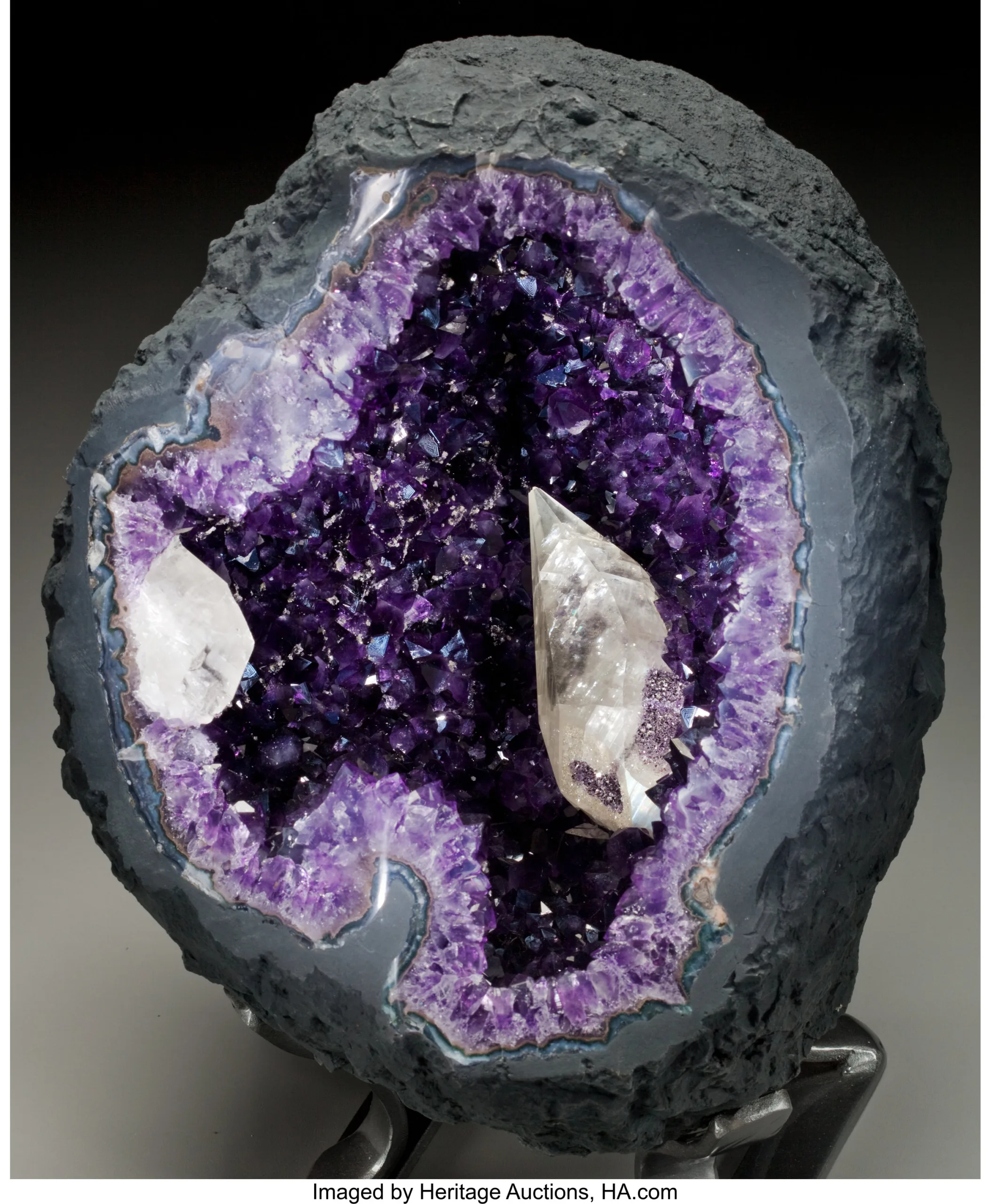

Geodes are fascinating geological formations that have captivated the interest of both scientists and enthusiasts alike. These natural wonders are often found in volcanic and sedimentary rocks, and they hold a treasure trove of crystals and minerals within their hollow interiors. Understanding what is a geode involves delving into its formation, types, and the unique characteristics that make them so intriguing.
What Is A Geode?
A geode is a spherical or oval-shaped rock with a hollow interior lined with crystals. These formations are typically found in igneous and sedimentary rocks and can vary greatly in size, from a few centimeters to several meters in diameter. The process of geode formation is a testament to the Earth's dynamic geological processes.
Formation of Geodes
The formation of geodes begins with the creation of a cavity within a rock. This cavity can be formed in several ways, including:
- Gas bubbles trapped in cooling lava.
- Holes left by decaying organic matter, such as tree roots or animal burrows.
- Fractures and voids in sedimentary rocks.
Once a cavity is formed, mineral-rich water seeps into the void. Over time, the minerals in the water precipitate out and form crystals on the inner walls of the cavity. This process can take thousands to millions of years, resulting in the beautiful crystal formations found in geodes.
Types of Geodes
Geodes can be classified into several types based on their formation and the minerals they contain. Some of the most common types include:
- Volcanic Geodes: Formed in volcanic rocks, these geodes often contain minerals like quartz, amethyst, and agate.
- Sedimentary Geodes: Found in sedimentary rocks, these geodes can contain a variety of minerals, including calcite, dolomite, and pyrite.
- Hydrothermal Geodes: Formed by the action of hot, mineral-rich water, these geodes often contain precious metals and gemstones.
Each type of geode has its unique characteristics and mineral compositions, making them valuable for both scientific study and decorative purposes.
Identifying Geodes
Identifying a geode can be challenging, as they often look like ordinary rocks on the outside. However, there are several clues that can help you determine if a rock is a geode:
- Shape and Size: Geodes are typically spherical or oval-shaped and can range in size from a few centimeters to several meters.
- Weight: Geodes are often lighter than solid rocks of the same size due to their hollow interior.
- Sound: When tapped, a geode may produce a hollow sound, indicating the presence of a cavity.
- Surface Texture: The outer surface of a geode may have a rough or bumpy texture, with visible crystals or mineral deposits.
If you suspect a rock is a geode, you can carefully break it open to reveal its interior. However, it's important to note that breaking a geode can be a delicate process, and it's best to use proper tools and techniques to avoid damaging the crystals inside.
🔍 Note: Always wear safety glasses and gloves when handling and breaking geodes to protect yourself from sharp edges and flying debris.
Common Minerals Found in Geodes
Geodes can contain a wide variety of minerals, each with its unique properties and beauty. Some of the most common minerals found in geodes include:
| Mineral | Color | Properties |
|---|---|---|
| Quartz | Clear, white, or colored | Hard, transparent, and often forms hexagonal crystals. |
| Amethyst | Purple | A variety of quartz, known for its vibrant purple color. |
| Agate | Various colors | Banded chalcedony with a variety of colors and patterns. |
| Calcite | Clear, white, or colored | Soft, transparent to translucent, and often forms rhombohedral crystals. |
| Pyrite | Golden yellow | Metallic luster, often forms cubic crystals, and is known as "fool's gold." |
These minerals contribute to the aesthetic appeal of geodes and make them highly sought after by collectors and enthusiasts.
Geodes Around the World
Geodes can be found in various locations around the world, each with its unique geological history and mineral compositions. Some notable geode locations include:
- Iowa, USA: Known for its large geodes, often containing quartz and amethyst crystals.
- Brazil: Famous for its agate geodes, which are highly prized for their intricate banding and colors.
- Mexico: Home to geodes containing a variety of minerals, including calcite and pyrite.
- India: Known for its geodes containing precious stones like amethyst and quartz.
Each of these locations offers a unique glimpse into the Earth's geological processes and the beauty of what is a geode.
Geodes in Popular Culture
Geodes have captured the imagination of people for centuries and have been featured in various forms of popular culture. From literature and art to movies and television, geodes have been used as symbols of mystery, beauty, and the wonders of nature. Some notable examples include:
- Literature: Geodes have been mentioned in various works of literature, often as metaphors for hidden beauty or secrets waiting to be discovered.
- Art: Artists have used geodes as subjects in paintings, sculptures, and other forms of art, highlighting their unique shapes and crystal formations.
- Movies and Television: Geodes have appeared in various films and TV shows, often as plot devices or as symbols of hidden treasures.
These cultural references underscore the enduring fascination with geodes and their role in inspiring creativity and wonder.

Scientific Significance of Geodes
Beyond their aesthetic appeal, geodes hold significant scientific value. They provide insights into the Earth's geological history, mineral formation processes, and the conditions under which they were formed. Scientists study geodes to understand:
- Mineral Deposition: The process by which minerals precipitate out of water and form crystals.
- Geological History: The conditions and events that led to the formation of geodes in specific locations.
- Crystal Growth: The factors that influence the size, shape, and color of crystals within geodes.
By studying geodes, scientists can gain a deeper understanding of the Earth's dynamic processes and the forces that shape our planet.
🔬 Note: Geodes are often studied in conjunction with other geological formations to provide a comprehensive understanding of the Earth's history and processes.
Geodes in Jewelry and Decor
Geodes are highly prized for their beauty and are often used in jewelry and decorative items. Their unique crystal formations and vibrant colors make them ideal for creating stunning pieces. Some popular uses of geodes in jewelry and decor include:
- Pendants and Necklaces: Geode slices or small geodes can be set in pendants and necklaces, showcasing their natural beauty.
- Earrings and Rings: Small geodes or geode slices can be used to create earrings and rings, adding a touch of natural elegance.
- Home Decor: Large geodes or geode slices can be used as decorative pieces in homes, adding a unique and natural element to any space.
Whether used in jewelry or as decorative items, geodes bring a sense of natural wonder and beauty to any setting.

In wrapping up, geodes are truly remarkable geological formations that offer a glimpse into the Earth’s dynamic processes and natural beauty. From their formation and types to their scientific significance and cultural references, geodes continue to captivate and inspire. Whether you are a geology enthusiast, a collector, or simply someone who appreciates the wonders of nature, understanding what is a geode opens up a world of fascination and discovery.
Related Terms:
- what does geode mean
- what is geode company
- what's inside a geode
- what is geode art
- inside of a geode
- what are geodes used for